
Ayodhya · Saryu Riverfront · Evening Aarti
Ram ki Paidi, Ayodhya Aarti timings & visitor guide
Practical guidance for visiting Ram ki Paidi: when the evening aarti happens, what to do on the riverfront, and how to fit it into the rest of an Ayodhya day.
The basics
What Is Ram ki Paidi in Ayodhya?
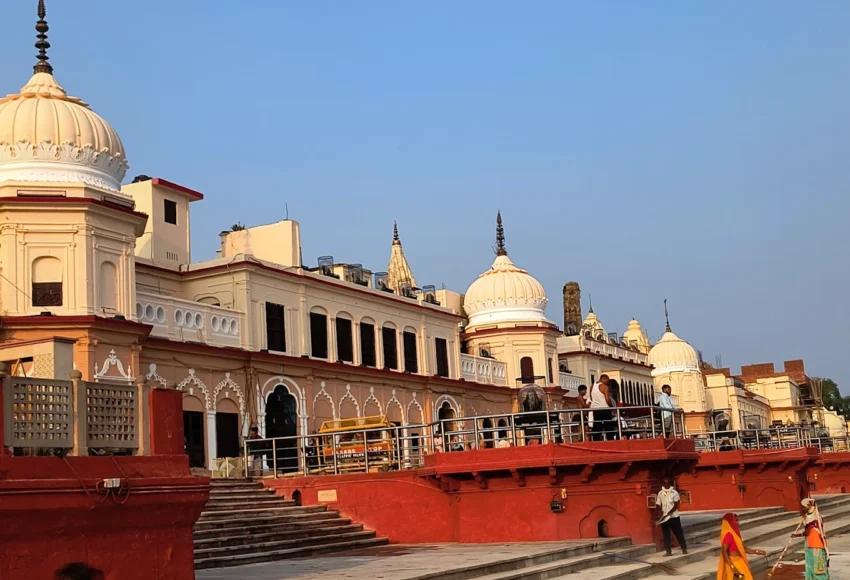
Ram ki Paidi is a series of terraced bathing ghats on the banks of the Saryu river in Ayodhya, built to give pilgrims easy, stepped access to the water along a long stretch of the riverfront. It is reportedly designed with a continuous flow of water down the terraces, and is lit up after dark, making it a popular spot for an evening walk as much as for a holy dip.
The ghats are best known for their evening aarti, held on the banks of the Saryu as the sun sets — a calmer, more contemplative counterpart to the temple visits earlier in the day. Many pilgrims also come here for a ritual dip in the river, especially around festivals and on auspicious dates.
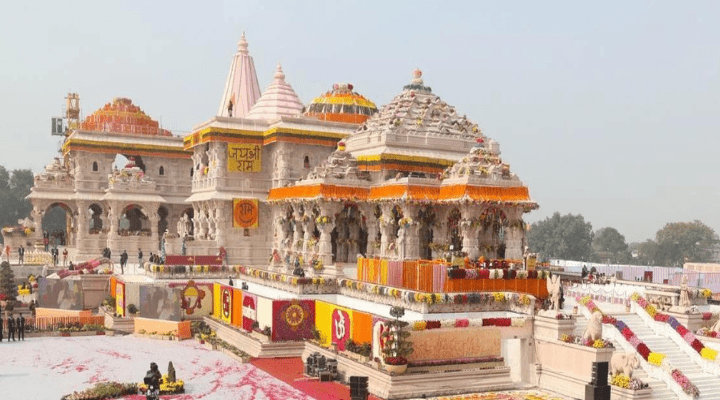
Ram ki Paidi sits close enough to the Ram Mandir, Hanuman Garhi and Kanak Bhawan that most visitors make it the last stop of an Ayodhya day.
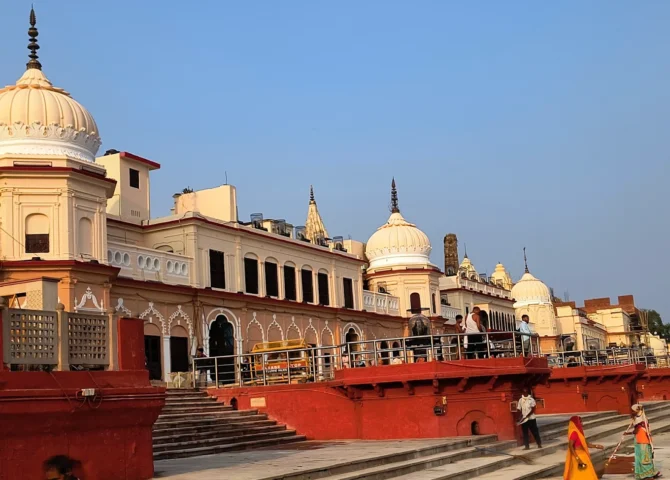
| What it is | A series of terraced bathing ghats on the Saryu river |
|---|---|
| Location | Central Ayodhya, along the Saryu riverfront |
| Known for | The evening Saryu aarti and a lit-up riverside walk after dark |
| Activities | Ritual bathing, the aarti, boat rides (seasonal/weather permitting) and a riverside stroll |
| Entry | Free |
| Best time to visit | Evening, around sunset, for the aarti and the lights |
| Time to allow | Roughly 1 to 1.5 hours |
Why it matters
Significance of Ram ki Paidi
The Saryu river runs through the heart of Ayodhya and is considered sacred in its own right, closely tied to the city's identity as Lord Rama's birthplace. Ram ki Paidi is where most visitors experience the river directly — through a ritual dip, the evening aarti, or simply a walk along the terraced steps as they light up after dark.
For many pilgrims, the day's temple visits are capped off here: after the darshan and the crowds of the Ram Mandir and the other temples, the riverfront offers a quieter, more reflective close to the day.
A little context
The Saryu & Ram ki Paidi
Ram ki Paidi is reportedly built as a long stretch of terraced concrete steps along the Saryu, with a system designed to keep water flowing down the terraces even when the main river recedes in the dry season — part of a broader riverfront development aimed at making the ghats accessible and clean for pilgrims year-round.
The ghats are used for everyday bathing as well as for larger gatherings on festival days such as Kartik Purnima, when very large numbers of pilgrims come to bathe in the Saryu. This guide focuses on a typical, non-festival visit; timings and crowd levels change considerably around major festival dates.
What to do
What to Do at Ram ki Paidi
There is no single "darshan" here the way there is at a temple — Ram ki Paidi is more of an open riverfront experience, and most visitors simply walk, watch the aarti and take in the atmosphere.

-
1
Reach the ghats
Ram ki Paidi is in central Ayodhya, a short ride from the Ram Mandir and the other temples.
-
2
Find a spot before the aarti
Arrive 20 to 30 minutes early on a normal evening for a comfortable spot; earlier still on weekends and festival days.
-
3
Watch the evening aarti
The aarti is held on the banks as the sun sets, with lamps, chanting and often a fairly large gathering.
-
4
Walk the ghats
After the aarti, the lit-up terraces make for a pleasant walk along the river.
If you would like to take a ritual dip, carry a change of clothes and keep valuables secure — as at any riverside ghat.
Plan your visit
Ram ki Paidi Aarti Timings
The aarti follows sunset, so its exact time shifts through the year. Treat the figures below as approximate.
| Season | Approximate aarti time |
|---|---|
| Winter (roughly Nov–Feb) | Shortly after sunset, around 5:30–6:30 PM |
| Summer (roughly Apr–Aug) | Shortly after sunset, around 7:00–7:30 PM |
| Festival days | Timing and scale can change significantly — we confirm the schedule for your date |
The ghats themselves are open through the day for a walk or a dip; it is the aarti timing specifically that shifts with sunset. We confirm the current schedule before your visit.
Good to know
Etiquette & What to Carry
If you plan to bathe
Carry a change of clothes and a towel, and keep valuables with someone who stays back or in a secure bag.
Footwear
Steps can be wet and a little slippery near the water — watch your footing, especially after dark.
During the aarti
Keep noise and movement to a minimum near the main gathering out of respect for those participating.
Boat rides
Boat rides may be available depending on the season and water levels — agree the details before boarding.
Getting there
How to Reach Ram ki Paidi
Ram ki Paidi runs along the Saryu in central Ayodhya, close to the main temples.
-
Step 1
By air
Maharishi Valmiki International Airport, Ayodhya, is a short drive from the ghats.
-
Step 2
By train
Ayodhya Dham Junction and Ayodhya Cantt railway stations both connect with a short onward auto or cab ride.
-
Step 3
From Varanasi
Ayodhya is roughly 200 km from Varanasi, about 4 to 5 hours by road. We run this route regularly — see our Varanasi Ayodhya packages or itinerary guide.
-
Step 4
Getting around Ayodhya
The ghats are close enough to the Ram Mandir, Hanuman Garhi and Kanak Bhawan that many visitors end their day here after covering the temples.
Local advice
Tips for a Smooth Visit
- Time it for sunset. Arriving 20 to 30 minutes before the aarti gets you a comfortable spot without a long wait.
- Make it your last stop. Most visitors end an Ayodhya day here, after the Ram Mandir, Hanuman Garhi and Kanak Bhawan.
- Carry a light shawl or stole in cooler months — evenings by the river can be breezy.
- Expect much bigger crowds on festival days such as Kartik Purnima — plan for a calmer visit on an ordinary evening if you prefer fewer people.
- Keep valuables secure if you plan to bathe, as you would at any riverside ghat.
Plan a route
Places to Visit Near Ram ki Paidi
Combine these in one outing — each has its own visitor guide.
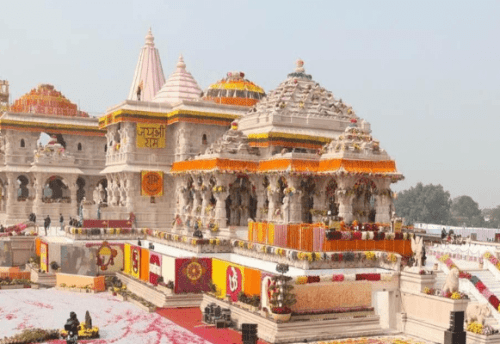
Ram Mandir, Ayodhya
The centrepiece of Ayodhya, usually visited earlier in the day.
Read the guide →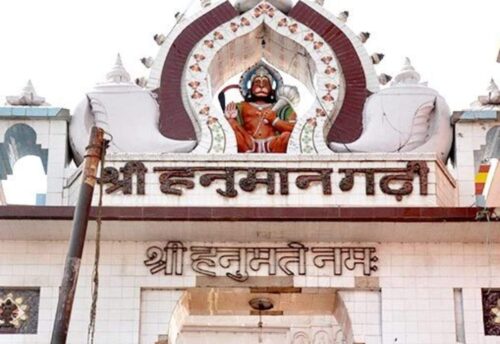
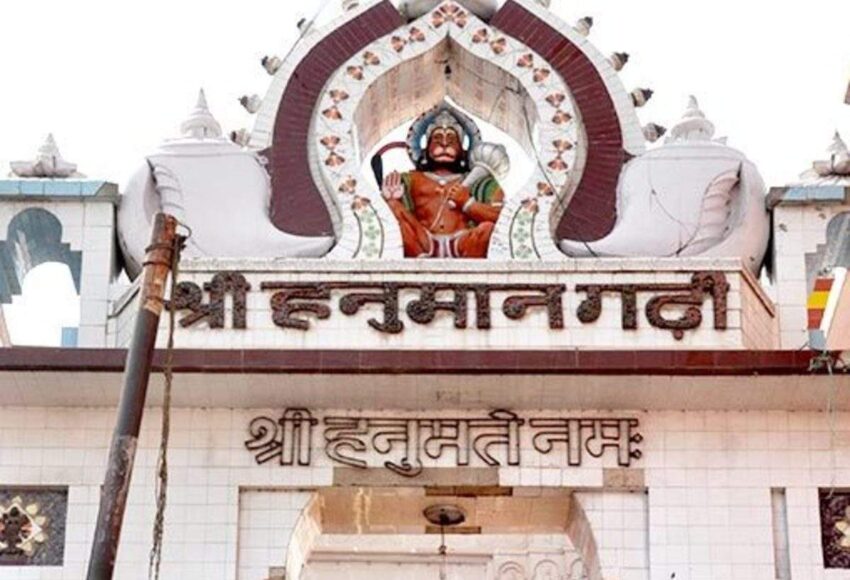
Hanuman Garhi
The hilltop Hanuman temple, traditionally visited before the Ram Mandir.
Read the guide →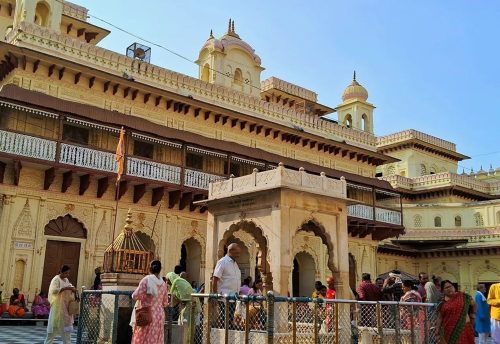
Kanak Bhawan
Known for its richly adorned Ram-Sita idols, a short ride away.
Read the guide →In pictures
Ram ki Paidi: Photo Gallery

Quick answers
Ram ki Paidi: Frequently Asked Questions
Ram ki Paidi is a series of terraced bathing ghats on the Saryu river in central Ayodhya, popular for the evening aarti and a peaceful riverside walk.
Timings, rules and fees can change with the season and on festival days. Please confirm on the day, especially for darshan and aarti times.
Plan your visit
Make the Most of Your Ayodhya Trip
Ayodhya Travel Guide
Best time to visit, how to reach, and everything else to plan your trip.
Learn more →Varanasi + Ayodhya Tour Packages
Let our local team plan the whole trip, with pick-up and a private vehicle.
Learn more →Varanasi Cab Service
Book a private vehicle for the road trip from Varanasi.
Learn more →More Places to Visit in Ayodhya
Planning a Trip to Ayodhya?
Message us for real local advice on timings, routes and where to stay — from a Varanasi-based team that runs this route often.