
Prayagraj · Triveni Sangam · Ganga-Yamuna-Saraswati
Triveni Sangam, Prayagraj Visitor guide & timings
Everything to plan your visit to the Sangam — the boat ride, the holy dip, when the Kumbh and Magh Mela make it far busier, and how to combine it with the rest of Prayagraj.
The basics
What Is the Triveni Sangam in Prayagraj?
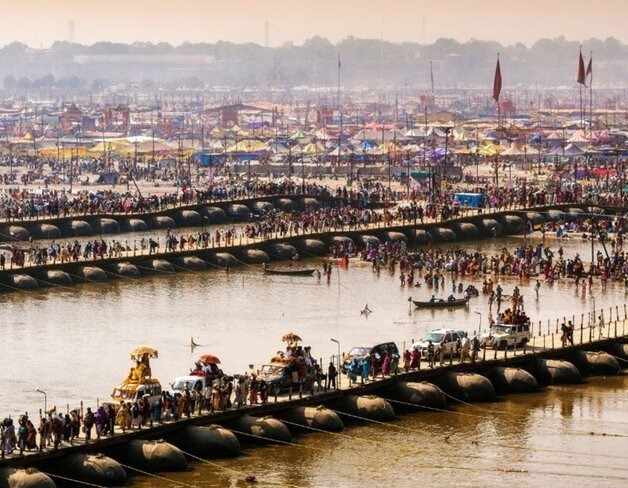
The Triveni Sangam is the point where the Ganga and Yamuna rivers meet the mythical, invisible Saraswati. It is considered one of the holiest bathing sites in Hinduism, and taking a dip here is the centrepiece of most visits to Prayagraj.
A short boat ride out to the confluence point is the classic way to see where the rivers actually meet — the water visibly changes colour where the Ganga and Yamuna join. The boat ride is not bundled into our tour packages by default: you can book it directly at the ghat, or ask us to arrange it for you on WhatsApp. If you plan to bathe, carry a change of clothes and a towel, and leave valuables back at your hotel.
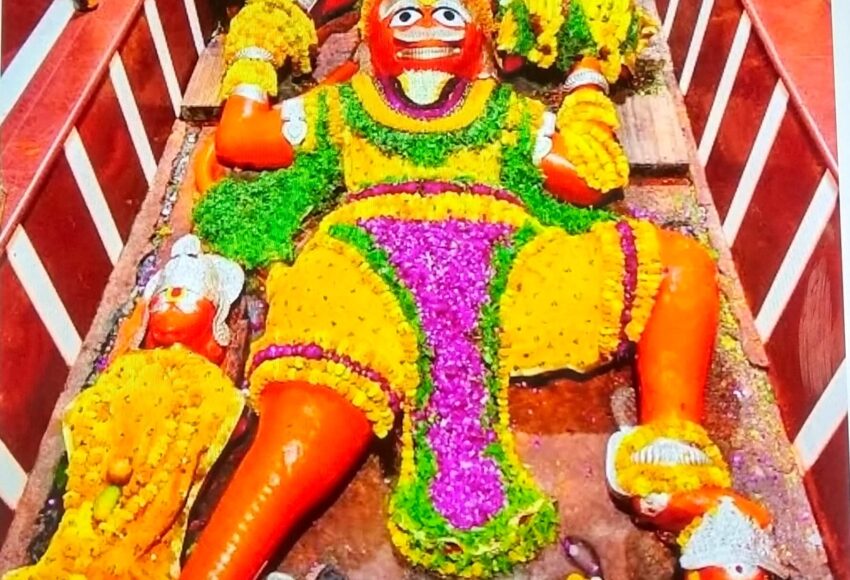
The Sangam sits at the heart of Prayagraj's pilgrim circuit. Most visitors combine it with the Lete Hanuman Mandir just beforehand, and Allahabad Fort and Anand Bhavan the same afternoon.
| Rivers | The Ganga, Yamuna, and the mythical, invisible Saraswati |
|---|---|
| Location | Sangam Nose (Sangam Kshetra), Prayagraj, Uttar Pradesh |
| Significance | Considered one of Hinduism's holiest bathing sites |
| Boat ride | A short ride out to the confluence point — arranged at the ghat, or ask us on WhatsApp; not included by default |
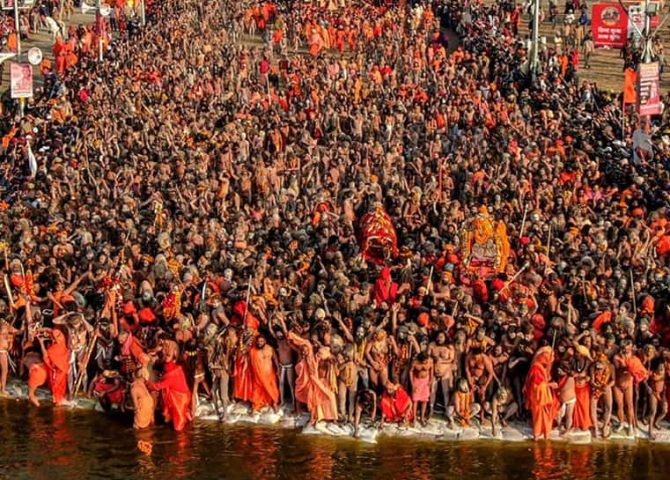
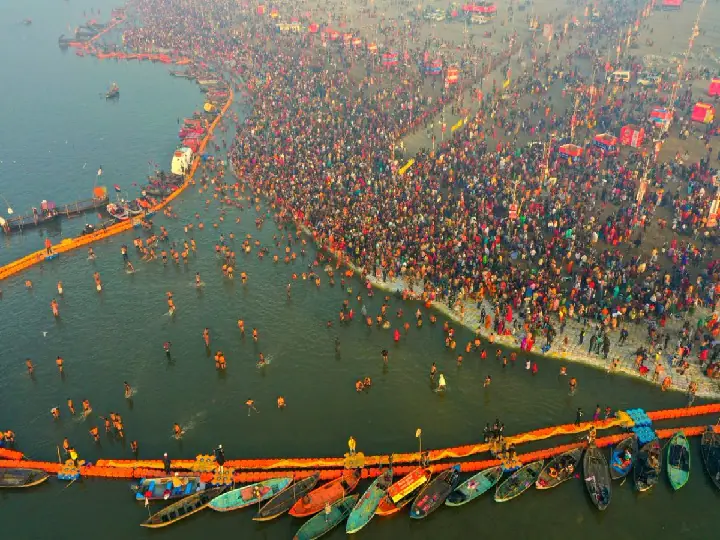
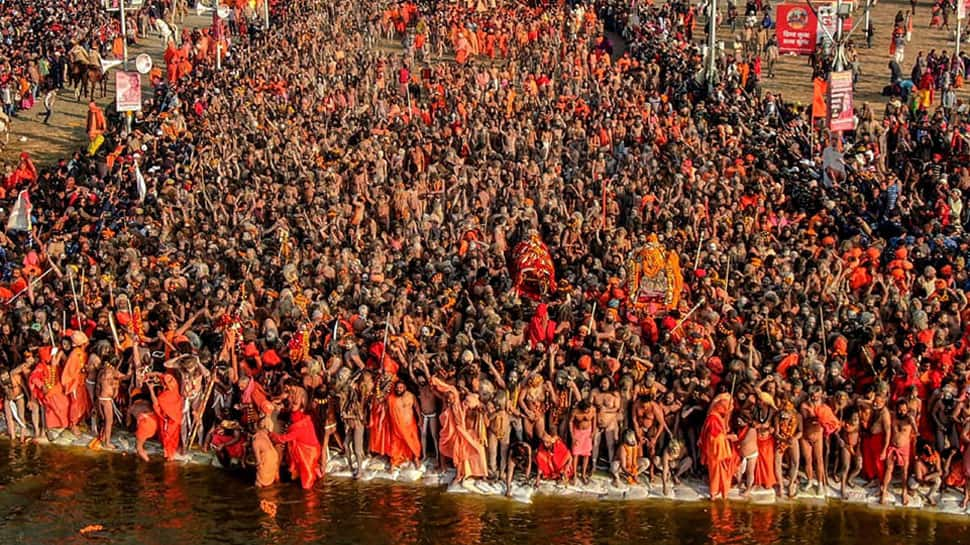
| Kumbh & Magh Mela | Prayagraj hosts the Kumbh Mela on a rotating cycle (including the Maha Kumbh of 2025) and the smaller Magh Mela every January or February — the Sangam gets far more crowded at these times |
| Best time to visit | Early morning; October to March for the most comfortable weather |
| What to bring | A change of clothes and a towel if you plan to bathe; leave valuables at your hotel |
Why it matters
Significance of the Triveni Sangam
In Hindu tradition, a dip at the confluence of the Ganga, Yamuna and the invisible Saraswati is believed to wash away sins and bring spiritual merit — which is why the Sangam draws pilgrims from across India through the year, not only during the Mela seasons.
The exact meeting point is out on the water, where the muddier Ganga and the clearer Yamuna visibly run alongside each other before merging. Most visitors take a short boat ride to see this up close and to bathe at or near the confluence itself.
On the day
What to Expect at the Sangam
-
1
Reach the ghat
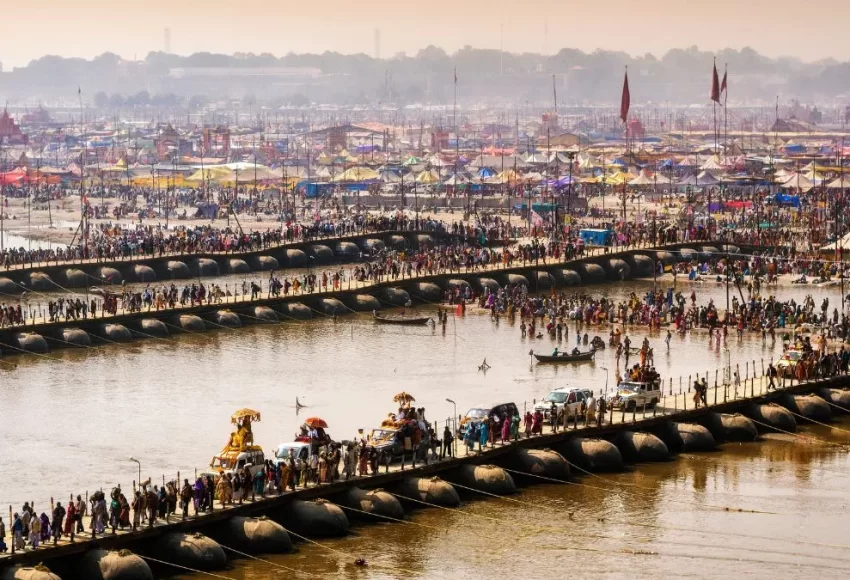
Vehicles drop you at the ghat nearest the Sangam; during Mela season the final stretch is often on foot.
-
2
Take the boat ride (optional)
A short ride out to the confluence point is the usual way to reach the exact meeting of the rivers — arranged at the ghat or through our team, not included by default.
-
3
Take a holy dip
Many pilgrims bathe at or near the confluence. Bring a change of clothes and a towel, and leave valuables at your hotel.
-
4
Prasad and photos
Vendors along the ghat sell prasad, flowers and short boat trips — confirm exactly what is included before you agree to anything extra.
Plan around the crowds
Visiting During the Kumbh Mela or Magh Mela
Prayagraj hosts the Kumbh Mela on a rotating cycle, including the Maha Kumbh of 2025, and the smaller Magh Mela every January or February. At those times the Sangam is far more crowded, roads and ghats are managed under special traffic and safety arrangements, and the usual plan for a Prayagraj visit changes considerably.
If your travel dates might line up with either Mela, message us before you book — we plan the day differently around the crowds, and can help with logistics like important Mahakumbh snan dates and tent-city stays where relevant.
Plan your visit
Best Time to Visit the Sangam
Treat these as general guidance — conditions change with the season and on Mela dates.
| Period | What to expect |
|---|---|
| Early morning | The calmest, coolest time for the ghat and any boat ride |
| October to March | The most comfortable season overall for sightseeing |
| April to June | Very hot for a riverside visit |
| July to September (monsoon) | River levels rise significantly; the boat ride may be suspended |
| Magh Mela (Jan/Feb, yearly) | Large crowds for ritual bathing |
| Kumbh Mela (rotating cycle) | By far the busiest and most significant time — also the most crowded |
Stay safe
Safety Tips & Etiquette at the Sangam
Currents
Stay within marked or guided bathing areas — currents away from them can be stronger than they look.
Keep children close
Ghats get crowded and slippery, especially near the water's edge.
Watch your belongings
Do not leave bags or valuables unattended on the ghat steps.
Boat safety
Use a life jacket if one is offered, and only board licensed boats from the designated jetty.
Respect ritual bathers
Many people are here for prayer, not sightseeing — be mindful with photos.
Touts
Agree the full scope of any boat ride or puja before you commit, and be wary of unofficial guides.
Getting there
How to Reach the Triveni Sangam
Prayagraj has its own airport and a major railway junction, both a short drive from the Sangam.
-
Step 1
By air
Prayagraj Airport (Bamrauli) has domestic flights connecting to several major Indian cities.
-
Step 2
By train
Prayagraj Junction is one of North India's major railway hubs, with frequent trains from Delhi, Varanasi, Lucknow and beyond.
-
Step 3
From Varanasi
About 130 km, roughly 2.5 to 3 hours by road. We run this route regularly — see our Varanasi Ayodhya Prayagraj packages or itinerary guide.
-
Step 4
The last stretch
Vehicles cannot always go right up to the ghat, especially during Mela season — expect to walk the final stretch.
Local advice
Tips for Visiting the Sangam
- Go early. Mornings are calmer, cooler and better for photos of the confluence.
- Decide on the boat ride first. It is the only reliable way to see the exact meeting point of the rivers.
- Avoid Mela dates if you dislike crowds — unless a Kumbh or Magh Mela visit is the whole point of your trip.
- Combine your visit. The Lete Hanuman Mandir is close by and usually visited just before the boat ride.
- Plan the rest of the day. Allahabad Fort and Anand Bhavan are both a short drive away.
Plan a route
Places to Visit Near Triveni Sangam, Prayagraj
Combine these in one outing — each has its own visitor guide.
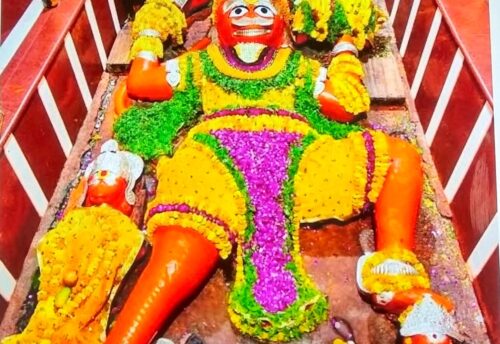
Lete Hanuman Mandir
A short drive away — the reclining Hanuman idol, usually visited just before the Sangam boat ride.
Read the guide →
Allahabad Fort
Right beside the Sangam — Akbar's fort, with limited public access.
Read the guide →Anand Bhavan
The Nehru family's ancestral home, now a museum on the independence movement.
Read the guide →In pictures
Triveni Sangam, Prayagraj: Photo Gallery
Quick answers
Triveni Sangam, Prayagraj: Frequently Asked Questions
The point in Prayagraj where the Ganga and Yamuna rivers meet the mythical, invisible Saraswati. It is considered one of the holiest bathing sites in Hinduism.
Timings, rules and fees can change with the season and on festival days. Please confirm on the day, especially for darshan and aarti times.
Plan your visit
Make the Most of Your Prayagraj Trip
Prayagraj Travel Guide
Best time to visit, how to reach, and everything else to plan your trip.
Learn more →Varanasi + Prayagraj Tour Packages
Let our local team plan the whole trip, with pick-up and a private vehicle.
Learn more →Varanasi Cab Service
Book a private vehicle for the road trip from Varanasi.
Learn more →More Places to Visit in Prayagraj
Planning a Trip to Prayagraj?
Message us for real local advice on timings, routes and where to stay — from a Varanasi-based team that runs this route often.