
Ayodhya · Ram Janmabhoomi · Lord Rama
Ram Mandir, Ayodhya Darshan timings & visitor guide
Practical guidance for visiting the Ram Mandir: darshan timings, what you can and can’t carry inside, how long to allow, and how to combine it with the rest of Ayodhya.
The basics
What Is the Ram Mandir in Ayodhya?
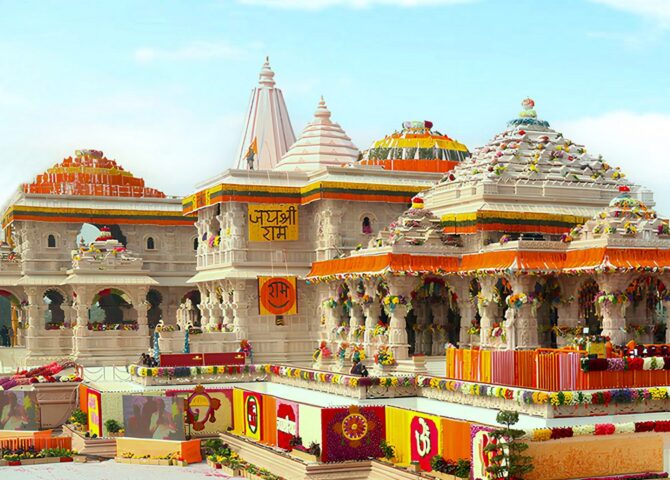
The Ram Mandir — formally the Shri Ram Janmabhoomi Mandir — stands at the site in Ayodhya revered as the birthplace of Lord Rama. The sanctum houses Ram Lalla, the infant form of Rama, in a black stone idol. It is one of the most visited pilgrimage sites in India today.
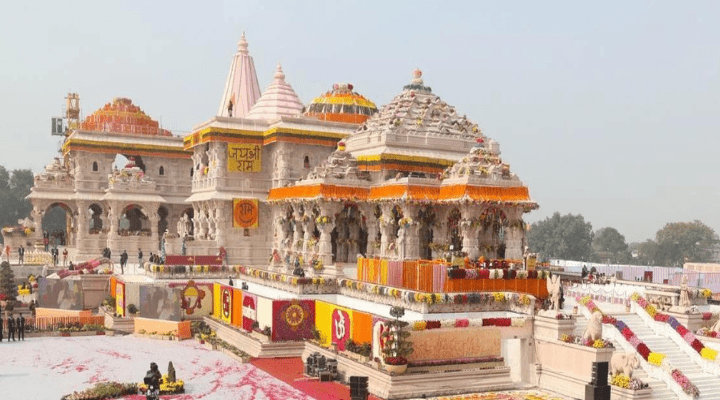
The temple was consecrated on 22 January 2024 in a Pran Pratishtha ceremony, and it is built in Nagara style, reportedly using pink sandstone from Bansi Paharpur along with marble. Construction of the wider temple complex — additional shrines, the parikrama (circumambulation) path and visitor facilities — has continued in phases since the consecration, so parts of the grounds may still be under work depending on when you visit.
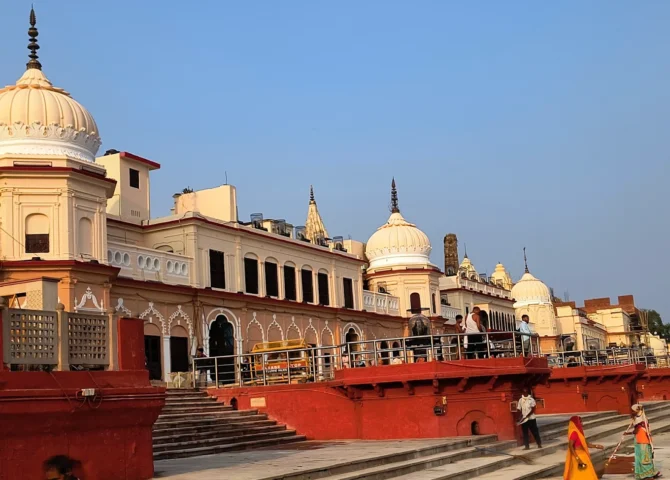
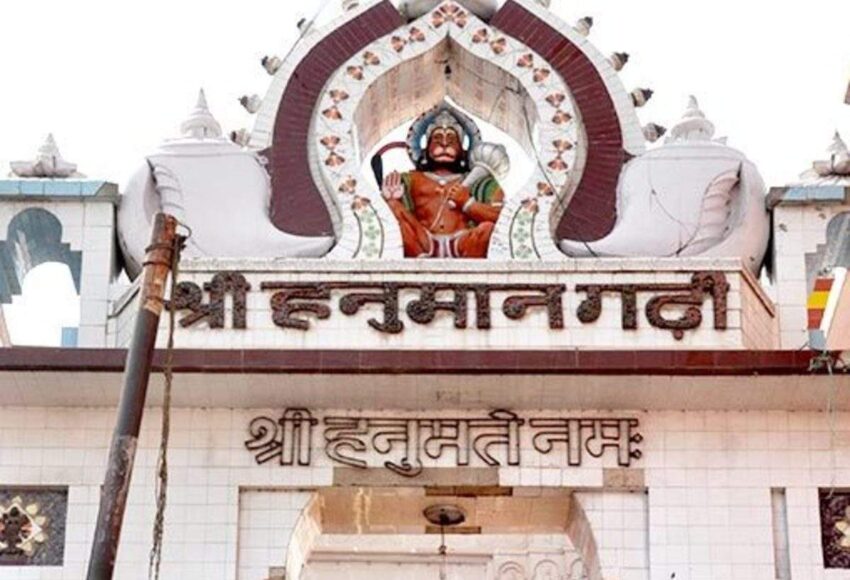
Ayodhya itself sits on the Saryu river and is one of Hinduism’s most sacred cities. Most visitors combine the Ram Mandir with the nearby Hanuman Garhi and Kanak Bhawan temples in the same day.
- Deity
- Ram Lalla — the infant form of Lord Rama
- Location
- Ram Janmabhoomi, Ayodhya, Uttar Pradesh
- Consecration (Pran Pratishtha)
- 22 January 2024
- Architectural style
- Nagara style, reportedly in pink sandstone and marble
- Managed by
- Shri Ram Janmabhoomi Teerth Kshetra Trust
- Entry
- General darshan is free
- Phones, bags & electronics
- Not permitted inside — use a locker before you queue
- Best time to visit
- Early morning on a weekday. Ram Navami and other festival days are far busier.
- Time to allow
- Roughly 1.5 to 3 hours, depending on the queue and security checks
Why it matters
Significance of the Ram Mandir
Ayodhya is revered in Hindu tradition as the birthplace of Lord Rama, and the Ram Mandir now stands at the exact spot known as Ram Janmabhoomi. For pilgrims, a darshan of Ram Lalla here is considered a profoundly significant moment, and the temple has quickly become one of the most visited religious sites in India.
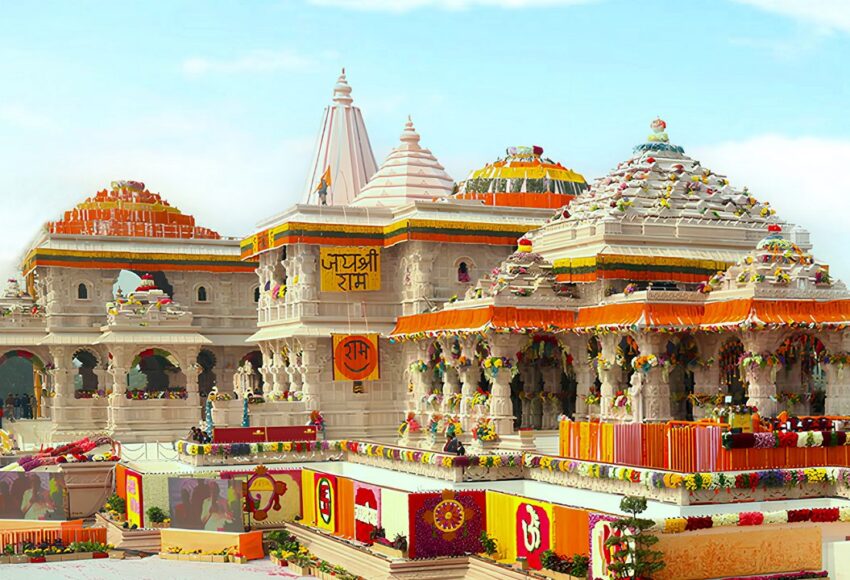
The temple's design and scale — reported to rise around 161 feet, across three storeys — are intended to make it one of the largest Hindu temples in the country. Carvings on its pillars and walls depict scenes and figures from the Ramayana.
How it was built
From Foundation to Consecration
A brief timeline of the temple's construction — this guide focuses on the building itself, for visitor planning.
- 5 August 2020
The foundation stone (Bhoomi Pujan) for the temple was laid.
- 2020–2023
Construction proceeded in phases, managed by the Shri Ram Janmabhoomi Teerth Kshetra Trust.
- 22 January 2024
The Pran Pratishtha (consecration) ceremony installed the Ram Lalla idol in the sanctum, and the temple opened to the public.
- Ongoing
Work on the wider temple complex — additional shrines, the parikrama path and visitor facilities — has continued since consecration.
This guide covers the temple's construction and consecration for visitor planning purposes; it does not go into the site's long and complex earlier history.
On the day
What to Expect During Darshan
Security at the Ram Mandir is strict, and most of your visit is spent moving through checkpoints and the queue rather than in the sanctum itself. Plan to travel light and allow extra time, especially on weekends and festival days.
-
1
Store restricted items
Phones, cameras, bags, belts and similar items are generally not allowed inside — use a locker or leave them at your hotel.
-
2
Pass security
Expect multiple checkpoints, frisking and bag scans before you reach the temple.
-
3
Join the darshan queue
Follow the marked route and the instructions of security and temple staff.
-
4
Enter the sanctum
The line keeps moving, so your view of Ram Lalla will be brief — take it in rather than trying to linger.
Entry arrangements — darshan slots, passes and what exactly you can carry — are set by the temple trust and have changed several times since the temple opened. We check the current rules for your date before you travel.
Plan your visit
Ram Mandir Darshan Timings
Published timings generally show a midday closure between the morning and afternoon sessions. Treat these as approximate — they change with the season and on festival days.
| Session | Approximate time |
|---|---|
| Morning darshan | Roughly 7:00 AM to 11:30 AM |
| Midday closure | Roughly 12:00 noon to 2:00 PM |
| Afternoon and evening darshan | Roughly 2:00 PM to 7:00 PM |
| Aarti timings | Held at set times through the day; we confirm the schedule for your date |
These times are drawn from published sources and change — especially around Ram Navami and other festivals, when hours are often extended and crowds are much heavier. We confirm the current schedule before your visit.
Etiquette
Security, Rules & Dress Code
Phones and electronics
Not permitted inside. Leave them at your hotel where possible, or use a locker — travel as light as you can.
What to wear
Modest clothing that covers shoulders and knees. Simple, comfortable clothes are fine; there is no strict dress requirement beyond modesty.
Security checks
Expect thorough checks, including frisking and bag scans, at more than one checkpoint.
Footwear
Footwear is removed before entering — wear something you can slip off easily.
Queues and crowds
Stay patient, especially on weekends, Ram Navami and other festival days, when queues run much longer.
Touts and unofficial guides
Be wary of anyone outside offering "VIP" or skip-the-queue entry for a fee — arrange any special access only through official channels.
Getting there
How to Reach the Ram Mandir
Ayodhya has its own airport and railway station, both a short drive from the temple.
-
Step 1
By air
Maharishi Valmiki International Airport, Ayodhya, is connected to several Indian cities and is a short drive from the temple.
-
Step 2
By train
Ayodhya Dham Junction and Ayodhya Cantt railway stations both serve the city, with a short onward drive or auto ride to the temple.
-
Step 3
From Varanasi
Ayodhya is roughly 200 km from Varanasi, about 4 to 5 hours by road. We run this route regularly — see our Varanasi Ayodhya packages or itinerary guide.
-
Step 4
The last stretch
Vehicles are not permitted right up to the temple gates on busy days — expect to walk the final stretch, which is well signed.
Local advice
Tips for a Smooth Visit
- Go early. The first darshan hours of the morning session are calmer, especially on a weekday.
- Carry almost nothing. Leave phones, bags and valuables at your hotel if you can — it makes the security checks and locker queue far faster.
- Avoid Ram Navami if you dislike crowds. It is the busiest day of the year here by a wide margin; queues and waiting times run much longer.
- Combine your visit. By tradition, many pilgrims visit Hanuman Garhi before the Ram Mandir, then Kanak Bhawan afterwards.
- End the day at the river. Ram ki Paidi and the Saryu aarti are a peaceful way to close out an Ayodhya day.
Plan a route
Places to Visit Near Ram Mandir, Ayodhya
Combine these in one outing — each has its own visitor guide.
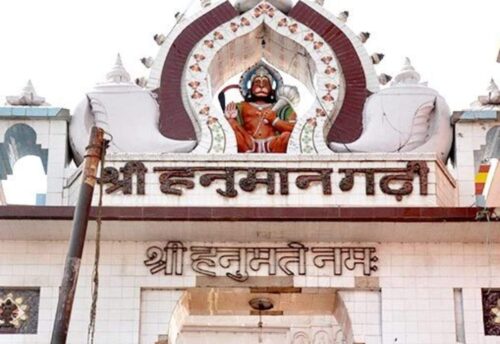
Hanuman Garhi
The hilltop Hanuman temple traditionally visited before the Ram Mandir darshan.
Read the guide →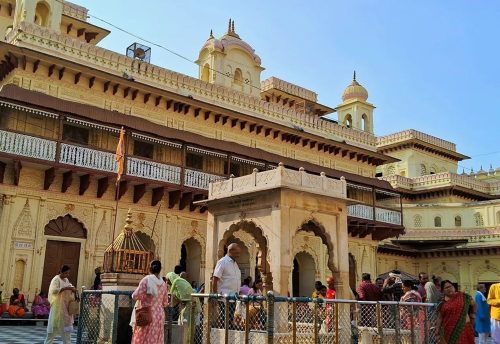
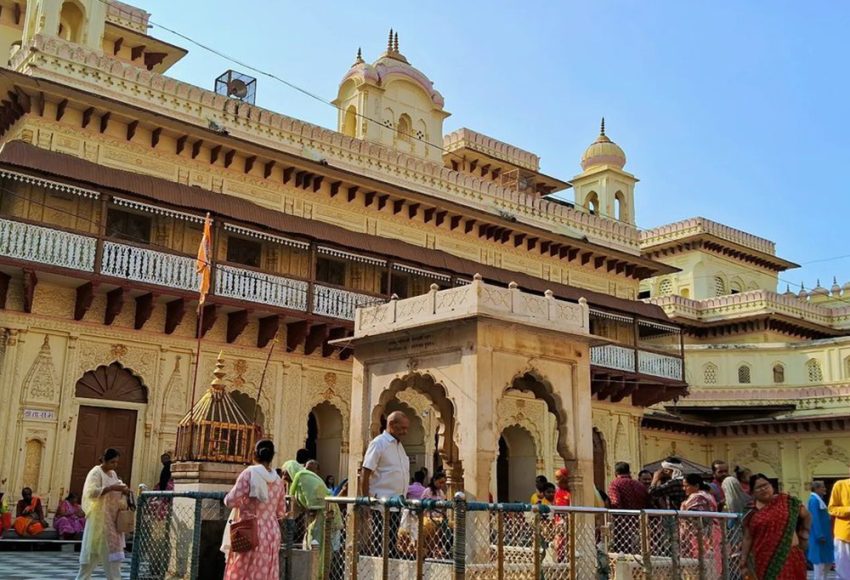
Kanak Bhawan
A short drive away — known for its richly adorned Ram-Sita idols.
Read the guide →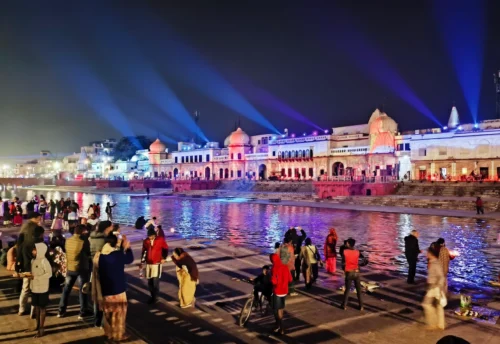
Ram ki Paidi
The Saryu riverfront and its evening aarti, a peaceful way to end the day.
Read the guide →In pictures
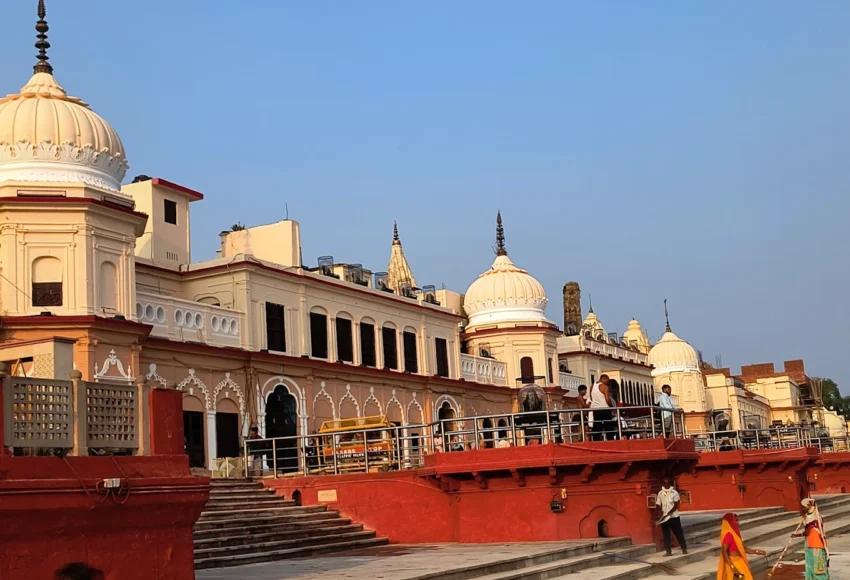
Ram Mandir, Ayodhya: Photo Gallery
Quick answers
Ram Mandir, Ayodhya: Frequently Asked Questions
Darshan generally runs roughly 7:00 AM to 11:30 AM and 2:00 PM to 7:00 PM, with a midday closure in between. Timings change with the season and are often extended on festival days, so we confirm the current schedule before your visit.
Timings, rules and fees can change with the season and on festival days. Please confirm on the day, especially for darshan and aarti times.
Plan your visit
Make the Most of Your Ayodhya Trip
Ayodhya Travel Guide
Best time to visit, how to reach, and everything else to plan your trip.
Learn more →Varanasi + Ayodhya Tour Packages
Let our local team plan the whole trip, with pick-up and a private vehicle.
Learn more →Varanasi Cab Service
Book a private vehicle for the road trip from Varanasi.
Learn more →More Places to Visit in Ayodhya
Planning a Trip to Ayodhya?
Message us for real local advice on timings, routes and where to stay — from a Varanasi-based team that runs this route often.