
This is the written version of the Varanasi 2 Nights 3 Days Itinerary, for anyone who would rather read every stop in order than scan the day cards above.
Day 1 in Detail: Old-City Temples & the Evening Aarti
Land, check in, and spend the day on the three old-city temples before the river takes over in the evening.
1. Pick-up and check-in
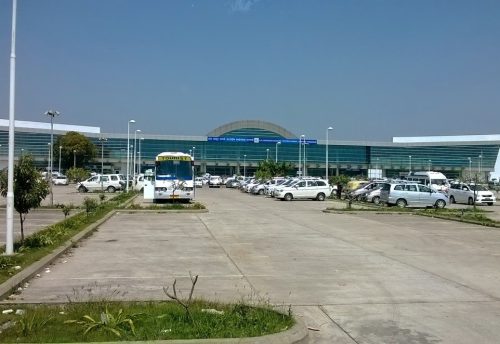
On arrivalWhether you land at Lal Bahadur Shastri Airport or arrive by train at Varanasi Junction or Manduadih, head to the hotel first and drop your bags. With three days ahead of you, there is no need to rush straight into sightseeing.
2. Kal Bhairav Temple
Late morningLocal custom has visitors seek Kal Bhairav's blessing before the other temples — he is regarded as the guardian of the city. Open roughly 5:00 AM–1:30 PM and 4:30–9:30 PM; entry is free and 30–45 minutes is enough.
A cab only gets you to the edge of the lane — the last stretch to the shrine is on foot.
3. Kashi Vishwanath Temple
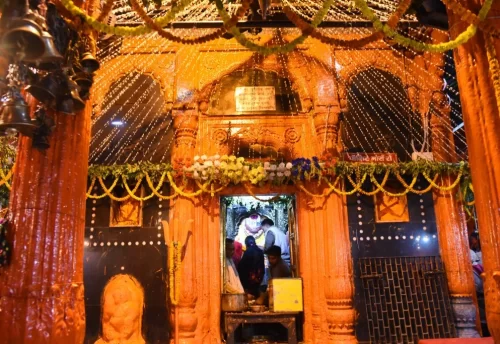
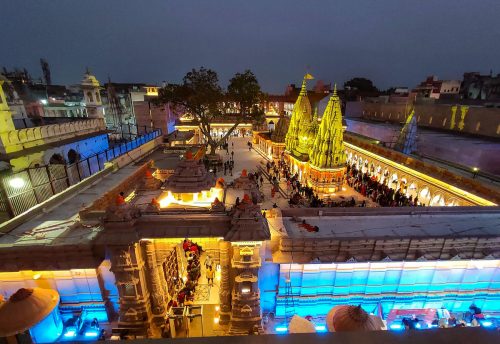
Late morningThe main event. The current temple dates to 1780 and is reached through the Kashi Vishwanath Corridor, opened in December 2021. Phones and cameras stay outside — use a locker or leave them at the hotel.
Budget 1.5–3 hours depending on the queue. Mondays and the month of Shravan draw the biggest crowds.
4. Annapurna Temple
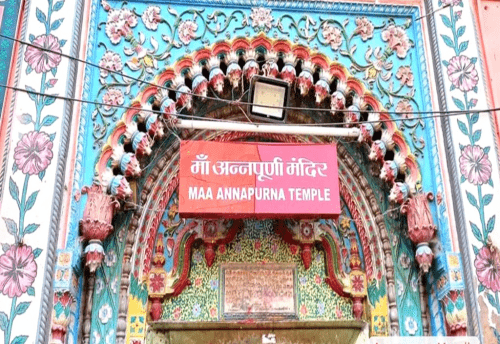
MiddayA two-minute walk from Vishwanath. Its hours run roughly 4:00–11:30 AM and 7:00–11:00 PM, closed most of the afternoon, so a late-morning visit works better than an afternoon one.
5. Rest, or a walk through Vishwanath Gali
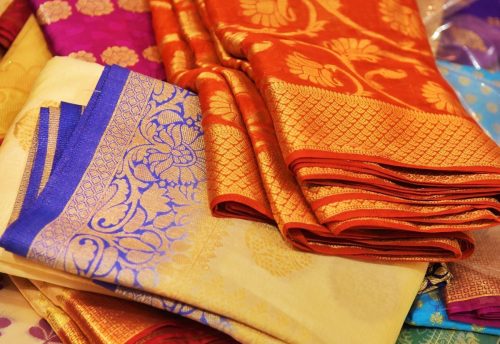
AfternoonWith two more days on the itinerary, this is a good afternoon to slow down. Head back to the hotel, or browse Vishwanath Gali and the Godowlia market for Banarasi silk — no obligation to buy.
6. A boat ride before the aarti
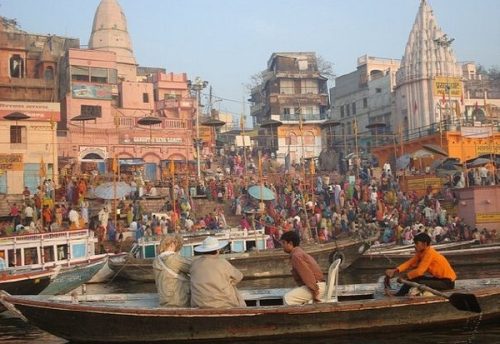
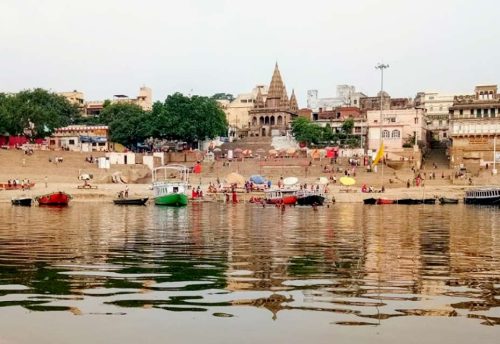
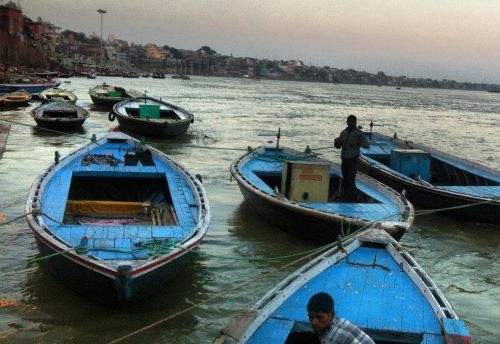
Evening, optionalNot essential, but a good way to open the trip. Boats leave from ghats such as Assi, Dashashwamedh, Namo and Kedar, and pass Manikarnika, the main cremation ghat, on the way — it is a place of mourning, so do not photograph what happens there, and skip the stretch if you would rather not see it.
Agree the fare before boarding if you hire one on the spot, or book ahead through us.
7. Ganga Aarti at Dashashwamedh Ghat
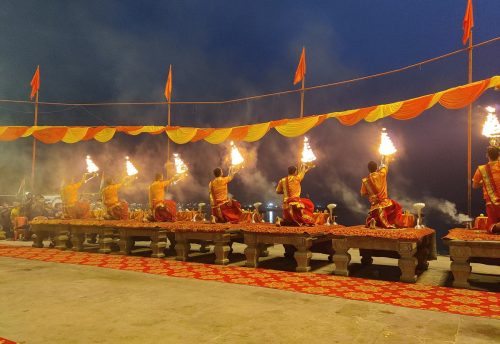
Around duskThe ritual begins around dusk — roughly 5:45–6:00 PM in winter, 6:45–7:00 PM in summer — and runs about 45 minutes.
Get to the ghat steps at least 45 minutes early if you want to sit rather than stand at the back.
8. Dinner and street food
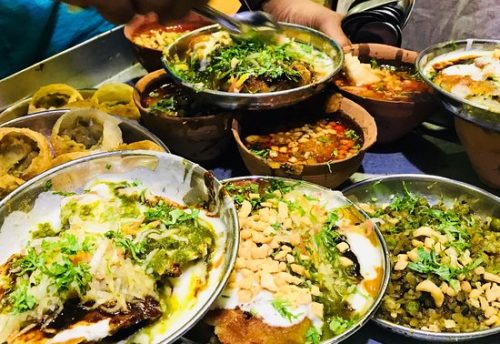
NightTamatar chaat, kachori-sabzi and a glass of thick Banarasi lassi are worth seeking out over a sit-down restaurant meal, at least for tonight.
Overnight in Varanasi. Two nights here means it is worth picking somewhere close to the ghats rather than moving hotels — our own budget hotel near Assi Ghat is one option.
Day 2 in Detail: Sunrise on the Ganga, Southern Temples & BHU
Start on the river at sunrise, then the southern temples and BHU, with the afternoon free and a second, calmer aarti in the evening.
1. Sunrise at Assi Ghat
Optional, before 7 AMSubah-e-Banaras, the free government-run morning programme, starts around sunrise — about 5:30 AM, earlier in summer. With a third day ahead, this is the one to keep on the itinerary rather than trade for sleep; the ghats are calmest at this hour.
2. Morning boat ride on the Ganga
Sunrise, optionalEarly morning is the most popular time for a boat ride in the cooler months, with soft light on the ghats and far fewer boats on the water than in the evening.
3. Breakfast at the hotel
After the riverA proper sit-down breakfast rather than a street stall today — you have a full morning of temples ahead and the southern stretch of the city is a longer stop-to-stop walk than Day 1.
4. Durga Temple
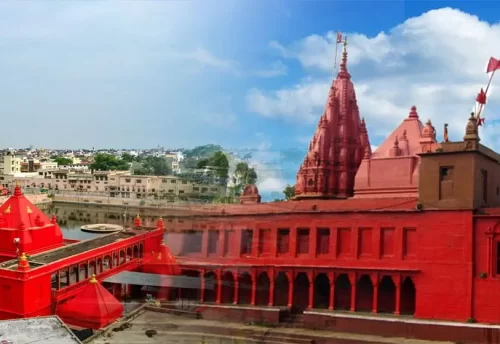
By 8 AMAlso called the Monkey Temple, for a reason — keep food out of sight. A red Nagara-style shrine beside Durga Kund; open 4:00 AM–1:00 PM and 3:00–9:00 PM, and 30 minutes is enough.
5. Tulsi Manas Mandir
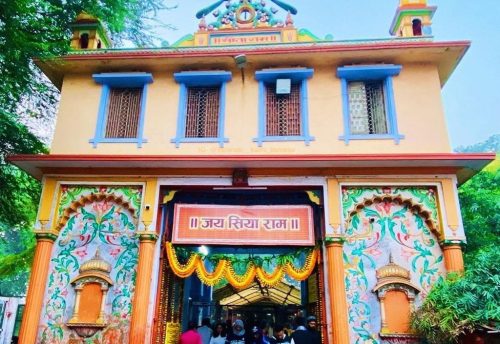
MorningA short walk from Durga Temple, dedicated to Lord Rama and built where the saint Tulsidas is said to have written the Ramcharitmanas. Roughly 6:00 AM–8:00 PM in winter, 5:30 AM–9:00 PM in summer.
6. Sankat Mochan Hanuman Temple
MorningFounded, by tradition, by the poet-saint Tulsidas. No phones or cameras inside.
Busiest on Tuesdays and Saturdays — expect a longer queue on those days.
7. Banaras Hindu University & the New Vishwanath Temple
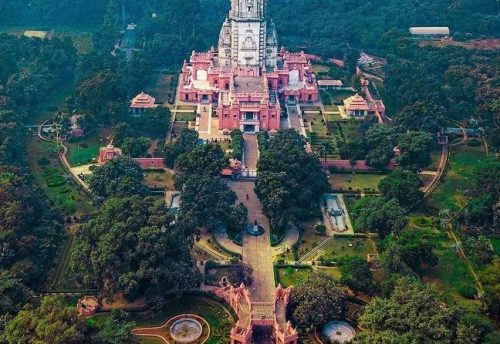
Late morningOne of Asia's largest residential university campuses — worth the drive-through alone. Stop at the New Vishwanath (Birla) Temple inside the campus, and add the Bharat Kala Bhavan museum if it happens to be open.
8. Saree and handicraft market, or rest
Late afternoonWith the temples done for the day, this afternoon is unclaimed on purpose. Browse the handloom market for Banarasi silk and handicrafts, or go back to the hotel and rest before the evening.
9. A second, quieter aarti at Assi Ghat
EveningA calmer alternative to Dashashwamedh, with tea stalls and cafés along the steps. It follows sunset, so timings shift through the year — check locally on the day.
Second night in Varanasi, same hotel as Day 1.
Day 3 in Detail: Sarnath, Ramnagar Fort & Departure
Breakfast and check-out, then Sarnath and Ramnagar Fort before your drop at the airport or railway station.
1. Breakfast and check-out
MorningSettle the hotel bill and keep your bags ready before you set out — it saves a trip back into the city later if your onward journey is in the afternoon.
2. Sarnath
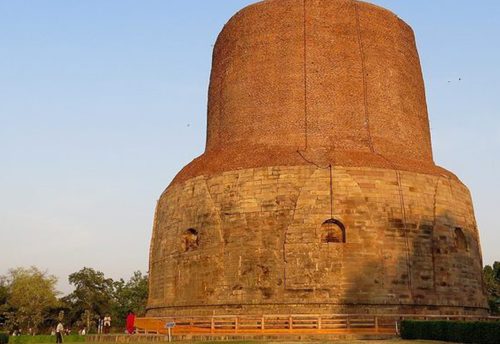
MorningAbout 10 km out, and where the Buddha is said to have given his first sermon. See the Dhamek Stupa, the Deer Park, the Chaukhandi Stupa and the Archaeological Museum if you have an extra half hour.
Give it 2–3 hours in total, including the drive. Do this before Ramnagar Fort, not after — it is calmer in the morning.
3. Ramnagar Fort
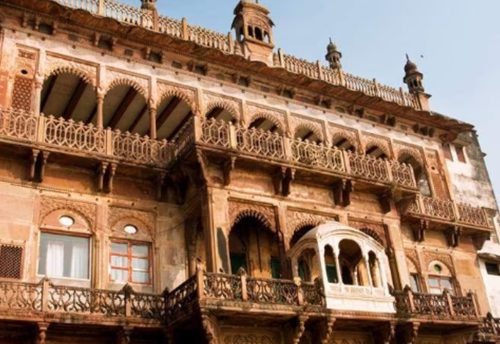
AfternoonThe 18th-century fort of the Maharaja of Banaras, on the eastern bank of the Ganga. Its Durbar Hall and museum hold the royal collection of vintage cars, palanquins and arms — this is the stop a one-night itinerary usually has to skip.
4. Swarved Mahamandir Dham
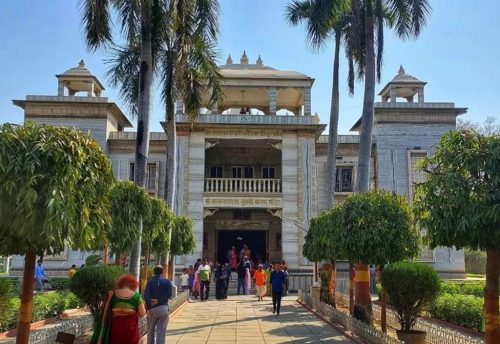
If time allowsA large meditation temple on the edge of the city, known for the verses of the Swarved inscribed across its walls. Worth adding if Sarnath and Ramnagar Fort have left you an extra hour.
Optional — only if your departure time leaves room for it.
5. Drop at the airport or railway station
EveningBuild in buffer time — traffic near the station and on the airport road can be unpredictable at peak hours, and this is the one stop on the trip you cannot afford to be late for.
Trip ends with your airport or railway station drop.
Good to Know Before You Go
- Phones and cameras are not allowed inside Kashi Vishwanath or Sankat Mochan — travel light.
- Dress modestly for the temples: shoulders and knees covered, and shoes that are easy to slip off.
- The old-city lanes to Kal Bhairav, Annapurna and Kashi Vishwanath are walked, not driven — factor in the extra time.
- Arrive at least 45 minutes early for the Dashashwamedh Ghat Ganga Aarti if you want a place on the steps.
- Manikarnika Ghat, the main cremation ghat, is a place of mourning if you pass it by boat — do not photograph the cremations.
- Sarnath and Ramnagar Fort are the two stops that a shorter, one-night trip usually cannot fit in — build Day 3 around them rather than rushing back for an early departure.
- Timings here come from published visitor guides and shift on festival days — confirm locally if your dates fall near one.