
Varanasi · Cremation ghat · Moksha
Manikarnika Ghat, Varanasi Meaning, Legends & a Respectful Visitor Guide
Manikarnika Ghat is Varanasi’s main cremation ground, where Hindus believe the soul of a person cremated here attains moksha. It is a place of mourning as well as sightseeing, so this guide focuses on how to visit with respect.
The basics
What Is Manikarnika Ghat?
Manikarnika Ghat is the principal cremation ghat of Varanasi, on the banks of the Ganga in the heart of the old city. In Hindu belief, the soul of a person cremated here attains moksha and breaks the cycle of rebirth, which is why families bring their dead to Kashi from far away.
Cremations take place here throughout the day and night. For visitors it is one of the most striking — and most sensitive — places in Varanasi. It is not a tourist show, and how you behave matters.
The ghat is also important in other ways. The genealogy registers of Varanasi’s Hindu families are kept here, and the Dom community has traditionally handled cremation.
| Role | The main cremation ghat of Varanasi |
|---|---|
| Meaning of the name | Linked to the earring (mani karnika) of Sati, said to have fallen here |
| Belief | Moksha for those cremated here |
| Nearby shrine | The Ratneshwar Mahadev temple |
| Records | Genealogy registers of Hindu families of Varanasi are kept here |
| Photography | Photographing cremations is inappropriate and strongly discouraged |
| Best way to see it | From a boat at a respectful distance, or on foot with a knowledgeable local guide |
| Time to allow | 20 to 30 minutes |
The story
The Legend of Manikarnika
The name is linked to a story from the Shakta tradition. When Shiva carried the body of his wife Sati across the land, her earring — mani karnika, “jewelled earring” — is said to have fallen at this spot. That makes the ghat an important place of worship for followers of Shaktism as well as for devotees of Shiva.
Other traditions tell the story differently, so you may hear more than one account from local guides.
Death in Kashi
Cremation and Moksha in Kashi
Kashi is believed to be a place where dying, and being cremated, frees the soul from rebirth. Manikarnika, together with Harishchandra Ghat, is where this belief is lived out most visibly.
Many visitors describe the atmosphere as calm and unhurried rather than grim, reflecting how many Hindus in Varanasi see death: as a passage, not an end.
Etiquette
How to Visit Respectfully
No photography
Do not photograph or film cremations, mourners or pyres. Keep cameras and phones out of sight.
Dress and behave quietly
Cover your shoulders and knees, speak softly, and do not point or gather to watch.
Keep your distance
A boat on the river gives a respectful view without intruding on the families present.
Be careful with “guides”
If a stranger offers to explain the ghat and then asks for money for firewood, politely decline. Give only through a trusted channel.
Choose a good time
Cremations go on day and night. Daylight is easier for finding your way through the lanes.
Go with someone local
A knowledgeable guide or trusted operator can explain what you see and keep you within the etiquette.
Manikarnika is a place of grief for the families present. If you are in doubt, keep back.
Getting there
How to Reach Manikarnika Ghat
| By | How |
|---|---|
| Location | On the ghats in the old city, close to the Kashi Vishwanath Corridor and the Annapurna Temple. |
| By boat | Boat rides along the ghats pass Manikarnika, and this is the most comfortable way to see it. See Ganga boat rides. |
| On foot | The ghat is reached through narrow old-city lanes. A local guide helps, because the lanes are confusing. |
A ritual day
Masan Holi and Special Occasions
In the days before Holi, around Rangbhari Ekadashi, the cremation ghats of Varanasi — Manikarnika in particular — are known for Masan Holi, a ritual celebration in which devotees play with ash. It is a religious event for devotees rather than a spectacle for visitors, so attend only with care and respect.
Plan a route
Places to Visit Near Manikarnika Ghat
Combine these in one outing — each has its own visitor guide.
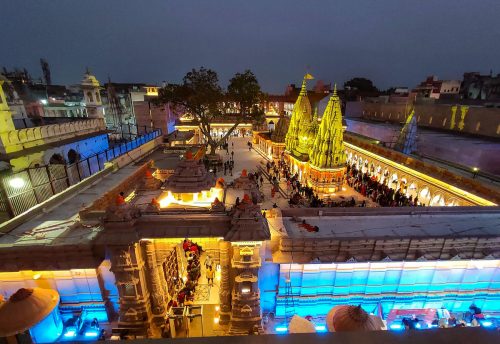
Kashi Vishwanath Temple
The Jyotirlinga temple, near the corridor that leads down to the ghats.
Read the guide →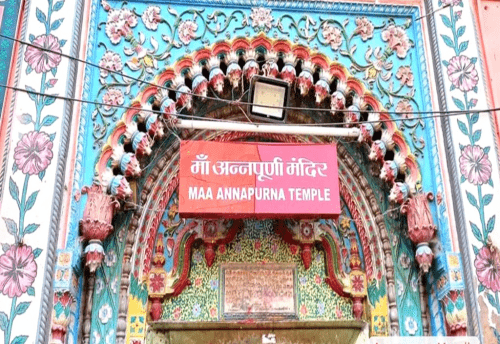
Annapurna Temple
About 350 metres west of the ghat, the temple of the goddess of food.
Read the guide →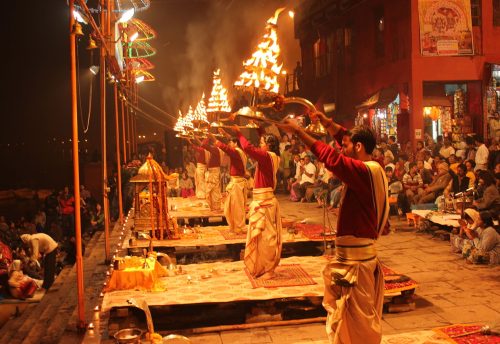
Dashashwamedh Ghat
The main ghat for the evening Ganga Aarti.
Read the guide →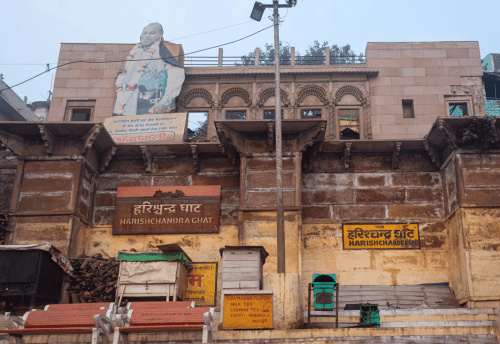
Harishchandra Ghat
The city’s other main cremation ghat.
Read the guide →Quick answers
Manikarnika Ghat: Frequently Asked Questions
Manikarnika Ghat is the main cremation ghat of Varanasi, on the Ganga in the old city. Hindus believe that the soul of a person cremated here attains moksha.
Timings, rules and fees at temples and ghats can change with the season and on festival days. Details on this page were last checked in September 2026 — please confirm on the day, especially for aarti and darshan times.
Plan your visit
Make the Most of Your Varanasi Trip
Ganga Boat Ride
See the ghats and the aarti from the river — book a boat ride with our local team.
Learn more →Stay Near the Ghats
A budget AC hotel in Shivala, close to Assi Ghat, run by the same team.
Learn more →Dev Diwali 2026 Guide
Visiting on Kartik Purnima? Dates, timings and how to watch the ghats light up.
Learn more →Varanasi Tour Packages
Let us plan temples, ghats and aarti into one easy itinerary.
Learn more →More Places to Visit in Varanasi
Temples, ghats and the Ganga Aarti — see the full guide to places to visit in Varanasi.
Planning a Trip to Varanasi?
Message us for real local advice on timings, routes and where to stay — from a team based in the city.