DAY1
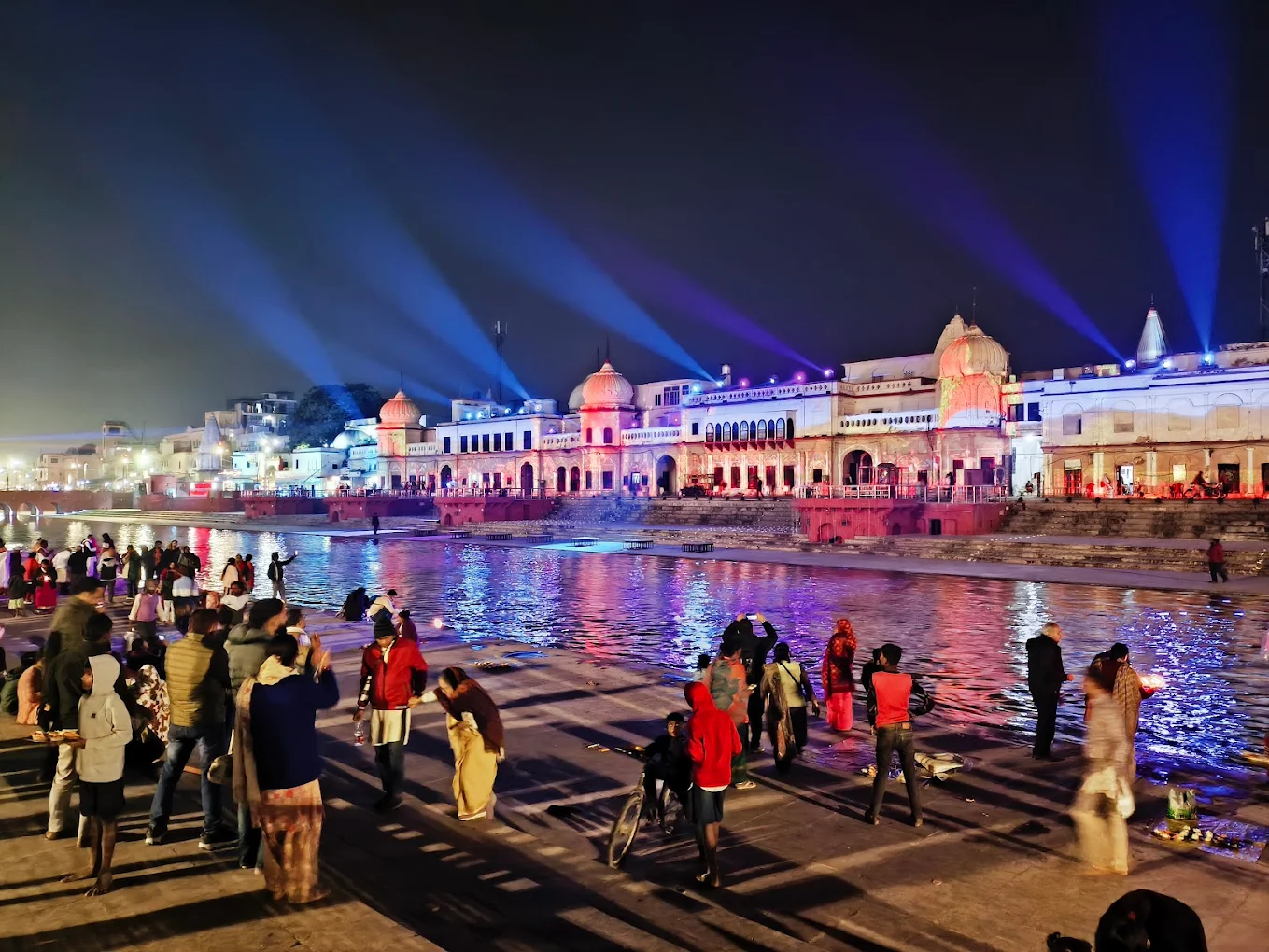
Old city, river & evening aarti
- Airport or station pick-up
- Kal Bhairav → Kashi Vishwanath → Annapurna
- Optional boat ride
- Ganga Aarti and overnight stay

Varanasi + Prayagraj + Ayodhya + Bodh Gaya · 5 Nights / 6 Days · Divya Dham
The Divya Dham route with room to breathe: Kashi, the Sangam, a night in Ayodhya for an early Ram Mandir darshan, and a night in Bodh Gaya so that the Mahabodhi Temple gets a full day — with airport or station pick-up and a vehicle of your choice.
The trip in brief
This Varanasi Ayodhya Prayagraj Bodhgaya 5 nights 6 days tour package is our Divya Dham route at a gentler pace than the 4 nights 5 days version. It adds a night in Bodh Gaya, so that the longest drive of the tour is a journey and not a sightseeing day, and the Mahabodhi Temple has a full day of its own.
You spend two days in Varanasi, drive to Prayagraj on Day 3 for the Sangam, and go on to Ayodhya on Day 4, where you stay the night. The Ram Mandir darshan is early on Day 5, and after it you drive to Bodh Gaya, arriving in the evening. Day 6 is Bodh Gaya: the Mahabodhi Temple, the Great Buddha Statue and the monasteries built by different Buddhist countries.
If you have a day less, the 4 nights 5 days package covers the same four cities. Without Bodh Gaya, see the Varanasi Ayodhya Prayagraj 4 nights 5 days package.
See the shape of the trip first, then explore every stop in the full itinerary.
| Duration | 5 nights / 6 days |
|---|---|
| Route | Varanasi (two days), Prayagraj, Ayodhya, then Bodh Gaya |
| Best for | Pilgrims covering the Divya Dham circuit at a steadier pace, families and groups |
| Start and end | Pick-up in Varanasi; drop at Gaya Airport or Gaya Junction |
| Stay | 2 nights Varanasi, 1 Prayagraj, 1 Ayodhya, 1 Bodh Gaya (category agreed with our team) |
| Meals | Breakfast at the hotel each morning; other meals are not included |
| Vehicle | Sedan, AC Innova or AC Tempo Traveller |
| Best season | October to February, when the cities are cooler |
| Plan and book | On WhatsApp or by phone, with our Varanasi team |
Kashi Vishwanath, the old-city temples and the evening Ganga Aarti, plus Sankat Mochan, BHU and Sarnath.
Where the Ganga and Yamuna meet the mythical Saraswati. A holy dip here is the centrepiece of the visit.
Time for Hanuman Garhi, Kanak Bhawan and the Saryu before the Ram Mandir darshan next morning.
The birthplace of Lord Rama, visited early on a morning that is not spent in a hurry.
The longest drive gets its own day, so that Bodh Gaya is seen fresh the next morning.
The Mahabodhi Temple, the Great Buddha Statue and the Thai, Japanese, Tibetan and Chinese temples.
The trip in pictures
A glimpse of the temples, river, rituals and heritage included in this itinerary.
Day by day
A sample plan based on our Divya Dham (Golden Quadrilateral) itinerary, with nights in Ayodhya and Bodh Gaya. We reorder the stops to match your arrival and departure times. Prefer to read it all as text? Jump to the full written itinerary.
Arrive and settle in, then the three old-city temples, the evening aarti and Vishwanath Gali.
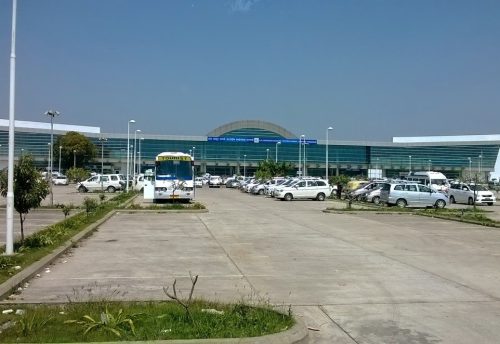
Your driver meets you at Lal Bahadur Shastri Airport or your railway station (Varanasi Junction or Manduadih) and takes you to the hotel. Freshen up and rest.
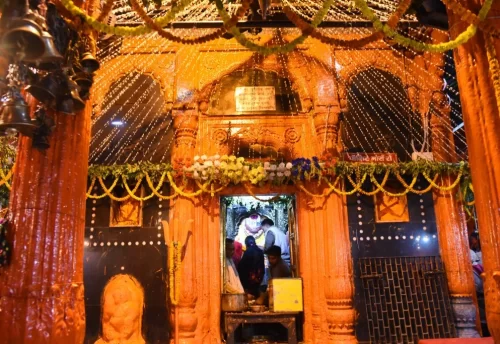
By tradition, visitors first ask the permission of Baba Kal Bhairav, the guardian of Kashi, before visiting the other temples.
An optional extra darshan, if you have the time and energy before the main temples.
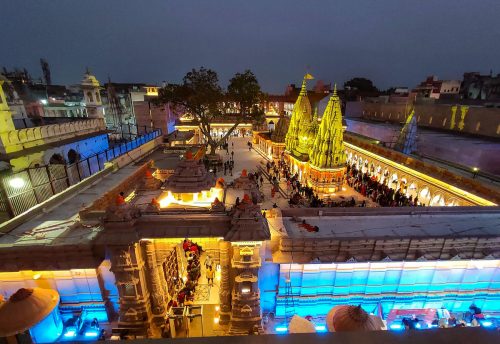
Darshan at one of the twelve Jyotirlinga shrines. Phones and cameras are not allowed inside, so plan to use a locker.
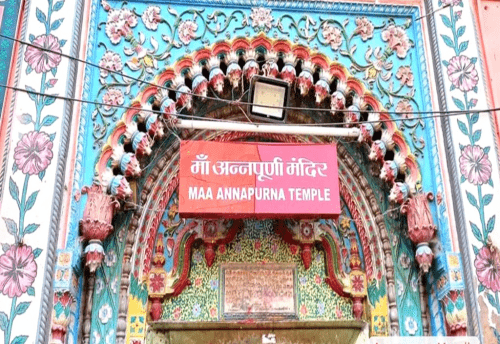
Right beside Kashi Vishwanath. Published timings show it closed for much of the afternoon, so we plan the order around your arrival time.
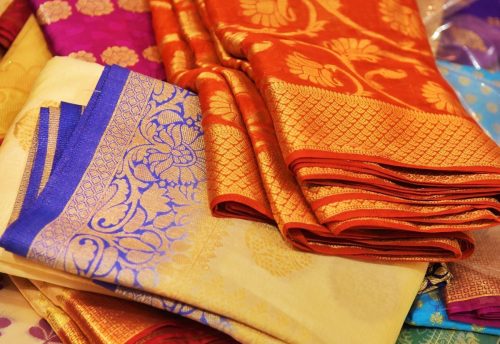
Rest at the hotel, or stroll the narrow Vishwanath Gali and the Godowlia market, known for silk sarees, jewellery and handicrafts.
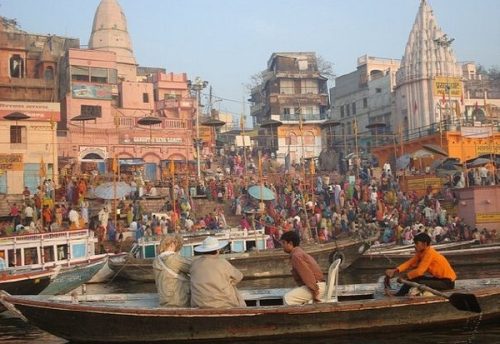
Boats leave from ghats such as Assi, Dashashwamedh, Namo and Kedar. Watching the aarti from the water gives a wider view and more room. It is not part of the package: book it on the spot or add it through us.
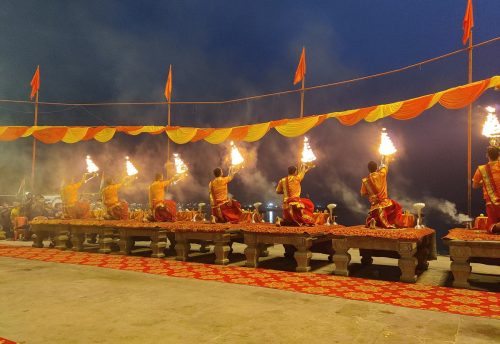
The aarti begins around dusk — roughly 5:45–6:00 PM in winter and 6:45–7:00 PM in summer — and lasts about 45 minutes. Watch from the ghat steps or from a boat.
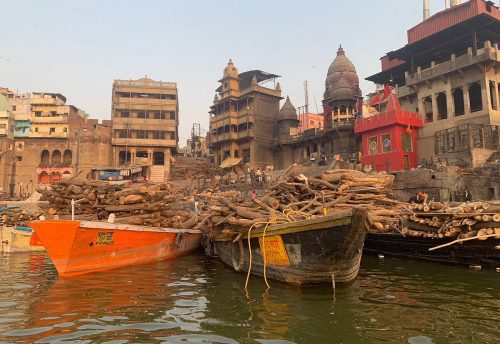
See the main cremation ghat from the water or the lanes. It is a place of mourning: do not photograph the cremations, and if you would rather not see them, skip this stop.
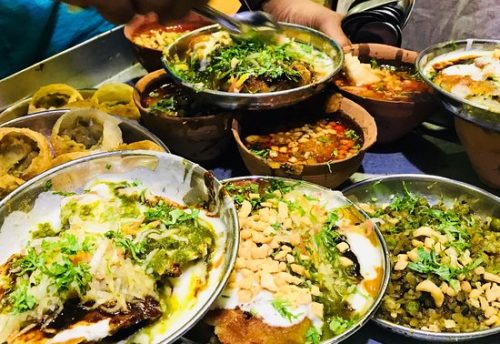
Try Varanasi’s street food — tamatar chaat, rabri and lassi — at a local restaurant. Dinner is not included.
Overnight stay in Varanasi. Your hotel category is agreed with our team when you book.
Be ready by 7 AM for the southern temples and BHU, then breakfast, Sarnath and an evening of rest.
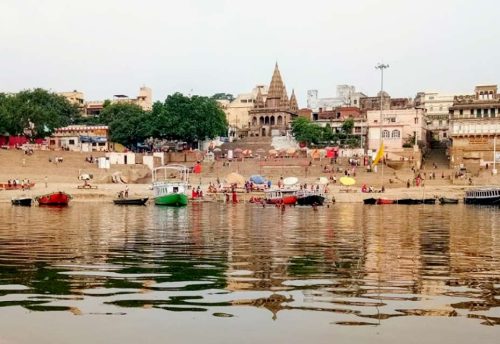
Early risers can catch Subah-e-Banaras and the sunrise aarti before the day’s sightseeing begins. Tell us in advance so we plan the pick-up.
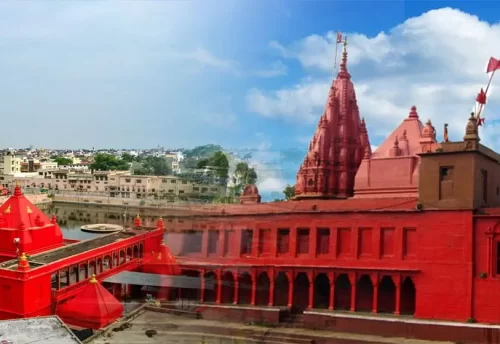
The red temple beside Durga Kund, also called the Monkey Temple. Keep food and small items out of the monkeys’ reach.
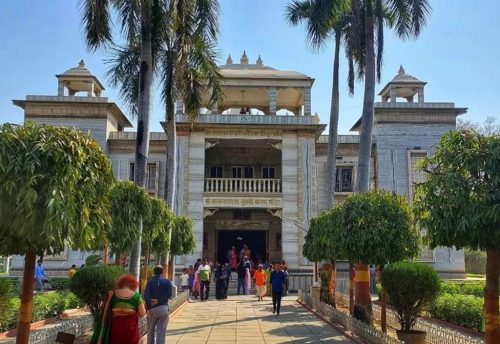
Close to the Durga Temple and dedicated to Lord Rama, in a quiet garden setting.
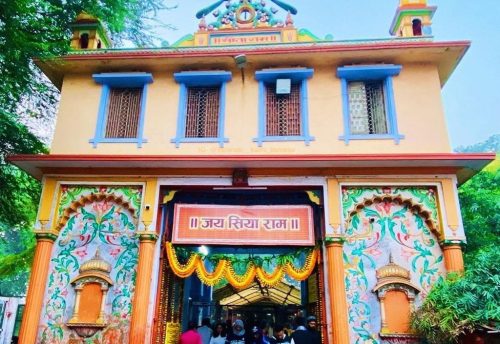
Hanuman’s temple, traditionally founded by Tulsidas. Phones and cameras are not allowed inside, and Tuesdays and Saturdays are the busiest days.
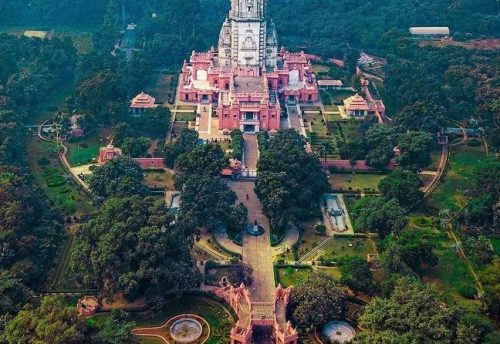
Drive through one of the largest residential universities in Asia and visit the New Vishwanath Temple, also called the Birla Temple. If it is open, add the Bharat Kala Bhavan museum, which may close on holidays.
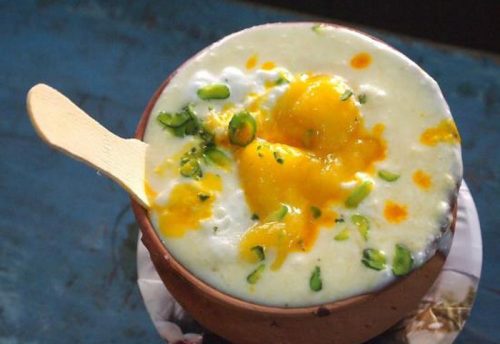
Have breakfast at the hotel (included), or try the local favourite of kachori-sabzi and jalebi on the street, with a Banarasi paan. If you want to shop, browse the handloom and handicraft market for Banarasi sarees.
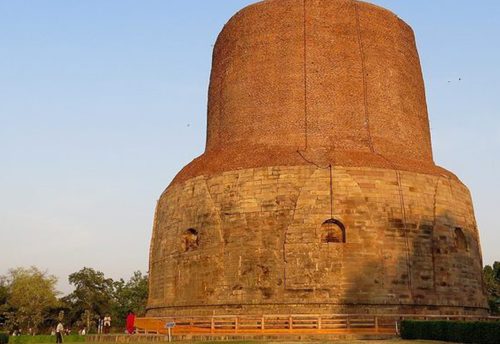
Visit the Buddhist site where the Buddha gave his first sermon: the Dhamek Stupa, the Deer Park, the Chaukhandi Stupa and the ruins, with the Archaeological Museum and the 80-foot Buddha statue.
Return to the hotel for dinner (not included) and an early night. Tomorrow’s journey starts in the morning.
Overnight stay in Varanasi.
Drive to Prayagraj, about 130 km, then Lete Hanuman, a holy dip at the Sangam, Anand Bhavan, Allahabad Fort and Khusro Bagh.
After breakfast, drive to Prayagraj, about 130 km and roughly 2.5 to 3 hours away.
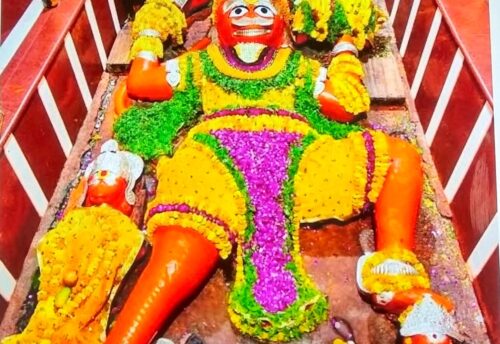
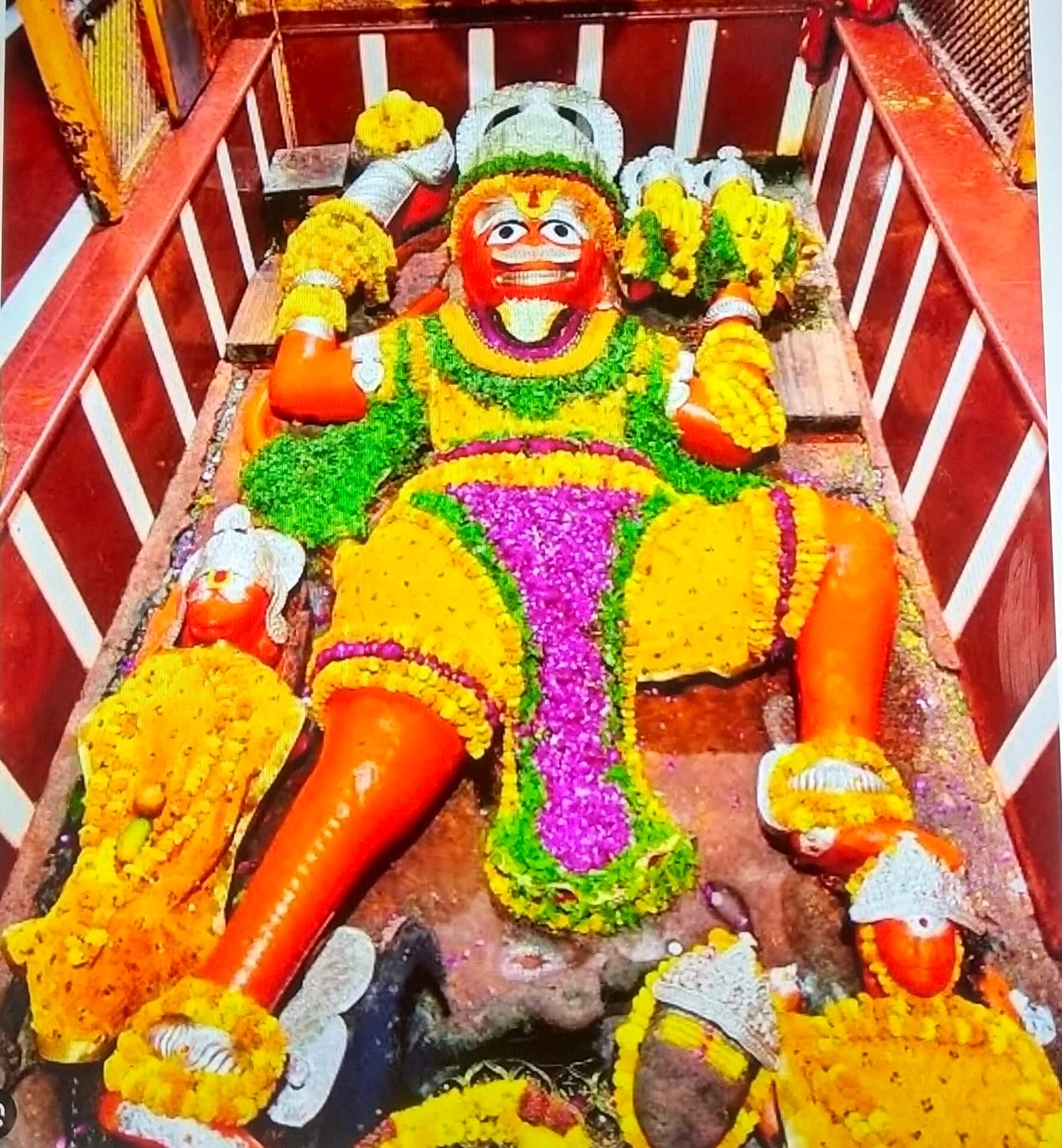
A unique temple near the Sangam with a large reclining Hanuman idol, said to be partly submerged when the Ganga rises each monsoon.
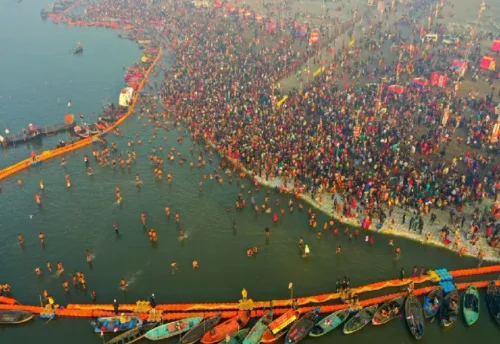
The confluence of the Ganga, Yamuna and the mythical Saraswati. A holy dip here is the centrepiece of most visits; the boat ride to the confluence is an add-on.
The Nehru family’s ancestral home, now a museum on India’s independence movement.
Built by Akbar in 1583 beside the Sangam. Public access is limited, and the parts open to visitors include the Ashoka Pillar, Saraswati Koop and Patalpuri Temple.
A walled Mughal-era garden with the tombs of Prince Khusrau and his mother, a calm end to the day.
Check in to your hotel in Prayagraj and rest after a full day. Dinner is not included.
Overnight stay in Prayagraj. Your hotel category is agreed with our team when you book.
Drive to Ayodhya, then Hanuman Garhi, Kanak Bhawan and the evening on the Saryu. The Ram Mandir is kept for the next morning.
After breakfast, drive to Ayodhya. Allow roughly four hours on the road.
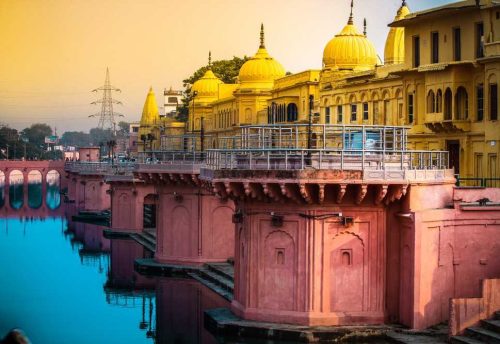
Your driver takes you to your Ayodhya hotel. Freshen up and rest before the afternoon.
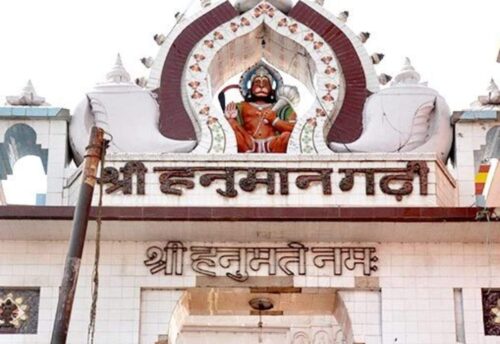
A hilltop temple to Hanuman, traditionally visited before the Ram Mandir darshan.
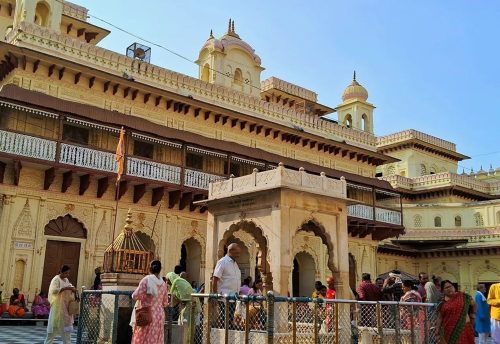
Believed to have been gifted to Sita by Kaikeyi, and known for its richly adorned Ram–Sita idols.
An optional stop at the palace traditionally associated with King Dasharatha, Rama’s father.
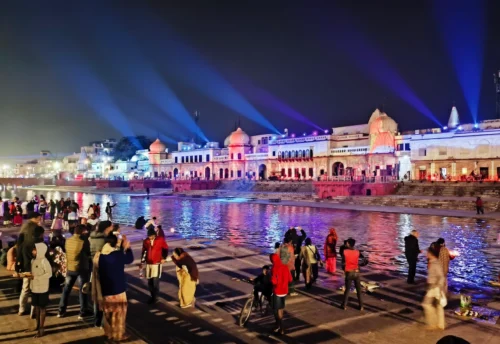
A series of bathing ghats on the Saryu, popular for the evening aarti and a peaceful walk by the river.
Overnight stay in Ayodhya. Your hotel category is agreed with our team when you book.
Early darshan at the Ram Mandir, then the long drive to Bodh Gaya and a night there.
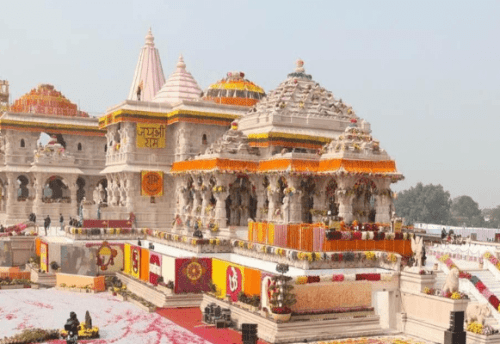
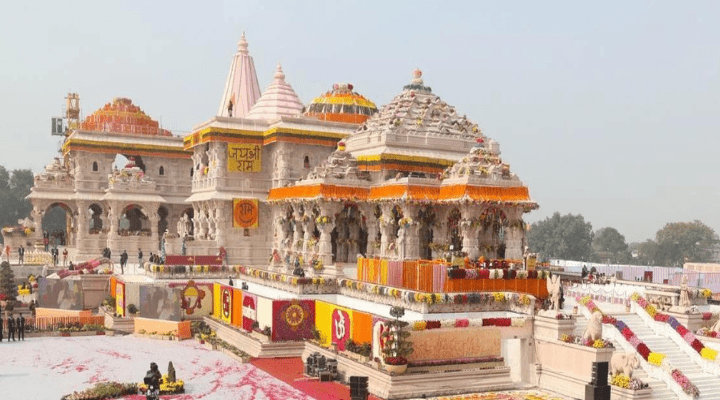
The birthplace of Lord Rama and the centrepiece of any Ayodhya visit. The temple was consecrated in January 2024.
After the darshan, set out for Bodh Gaya. It is the longest drive of the tour, so expect to reach your hotel in the evening.
Your driver takes you to your Bodh Gaya hotel. Freshen up and rest.
Overnight stay in Bodh Gaya. Your hotel category is agreed with our team when you book.
A full day in Bodh Gaya: the Mahabodhi Temple, the Great Buddha Statue and the monasteries, before your drop.
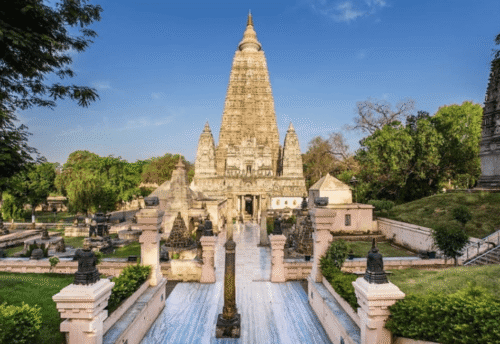
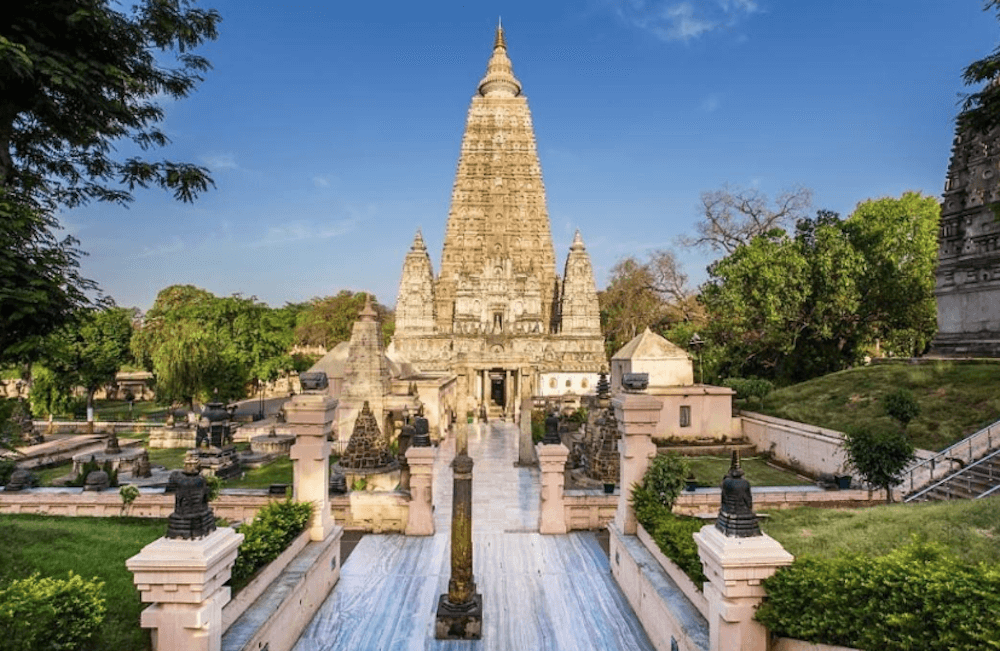
The UNESCO-listed temple built around a descendant of the original Bodhi Tree, with the Vajrasana marking the spot of the Buddha’s enlightenment.
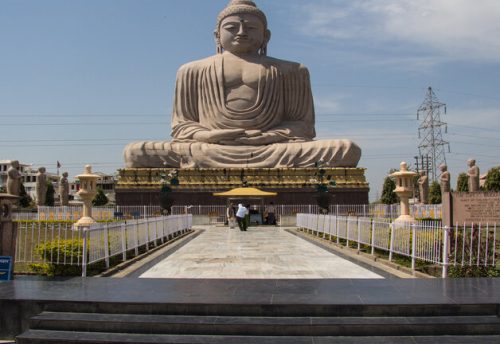
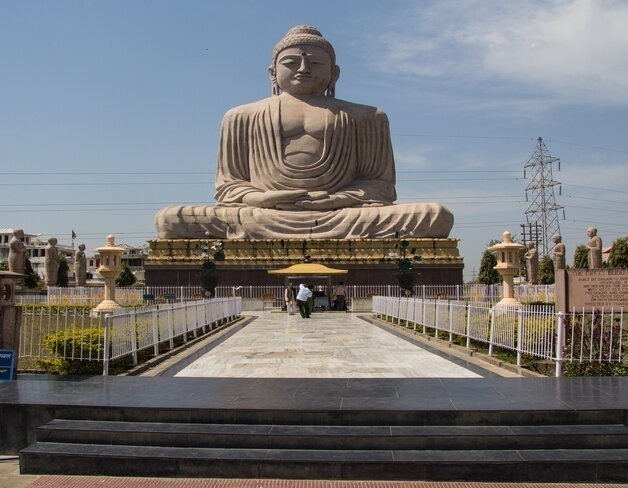
An 80-foot statue of the Buddha in meditation, consecrated by the Dalai Lama in 1989.
Countries from across the Buddhist world have built temples here in their own styles, including the golden-roofed Thai Monastery and the Japanese Indosan Nippon-ji.
Houses ancient sculptures and artefacts recovered from the Bodh Gaya region.
We take you to Gaya Airport or Gaya Junction for onward travel, or back to Varanasi by road if you prefer.
Tour ends with your drop at Gaya Airport or Gaya Junction.
Day 5 is the longest drive of the tour, from Ayodhya to Bodh Gaya, and the sightseeing there is kept for Day 6. Ram Mandir entry arrangements and the hours of the temples and monasteries change, so we check them for your dates.
For a careful read
Prefer to read everything before you decide? Here is the whole plan in plain text — what happens, in what order, and what to know at each stop.
This is the written version of the Varanasi Ayodhya Prayagraj Bodhgaya 5 nights 6 days tour package, for anyone who likes to read every detail before deciding. It follows the same plan as the itinerary above, stop by stop, with what happens at each place, roughly how long it takes and what to carry or avoid.
In short: Day 1 is the old city of Varanasi and the evening Ganga Aarti. Day 2 is the southern temples, Banaras Hindu University and Sarnath. Day 3 is the drive to Prayagraj and the Sangam, with a night there. Day 4 is the drive to Ayodhya, Hanuman Garhi, Kanak Bhawan and the Saryu, with a night in Ayodhya. Day 5 is the Ram Mandir darshan and the long drive to Bodh Gaya. Day 6 is a full day at the Mahabodhi Temple and the monasteries, followed by your drop. The order here is the one we recommend, and we adjust it to your arrival and departure times.
This is the old-city day. After you arrive and check in, the three temples that are always visited together — Kal Bhairav, Kashi Vishwanath and Annapurna — are all in the same area, so they fit into a single stretch of the day. The evening belongs to the river: the Ganga Aarti at Dashashwamedh Ghat, with a boat ride if you want one.
The exact order depends on when you land. An early arrival leaves room for the temples before the aarti; on a late arrival we move the temple visits around and keep the evening aarti.
Your driver meets you at Lal Bahadur Shastri International Airport, or at Varanasi Junction or Manduadih railway station, and drives you to your hotel. Share your flight or train details and arrival time when you message us, so the driver is waiting when you come out.
Once you have checked in, freshen up and rest. The first day is planned around your arrival time, so tell us early if you are landing late in the day.
Baba Kal Bhairav is the kotwal, or guardian, of Kashi, and by tradition visitors seek his permission first and then go on to Kashi Vishwanath and Annapurna. The temple is in Bharonath, in the Visheshwarganj area of the old city, and the silver face of the deity is what you see at the shrine.
Published timings are roughly 5:00 AM to 1:30 PM and 4:30 to 9:30 PM. Darshan is free and 30 to 45 minutes is enough. The last stretch is through narrow lanes, so the driver leaves you at the nearest practical point and you walk. Our Kal Bhairav Temple guide has the full details.
This is an optional extra darshan for those who have the time and energy before the main temples. It is not part of the fixed plan: tell us if you would like it included and we will fit it into the route.
Kashi Vishwanath is one of the twelve Jyotirlinga shrines of Shiva and the centre of Varanasi’s temple trail. The present temple was built in 1780 by Ahilyabai Holkar of Indore, and it is reached today through the Kashi Vishwanath Corridor, which was inaugurated in December 2021.
Phones, cameras, smartwatches and power banks are not allowed inside, so leave them at the hotel or use the lockers, and wear modest clothing that covers shoulders and knees. General darshan is free and the queue decides the time: allow roughly 1.5 to 3 hours. Mondays, the month of Shravan and Maha Shivaratri are the busiest times. Read the Kashi Vishwanath Temple guide for timings and rules.
Annapurna Devi, the goddess of food and a form of Parvati, has her temple about 15 metres from Kashi Vishwanath. It was built in 1729 by the Maratha Peshwa Baji Rao I. Kashi Vishwanath represents Shiva, the lord of Kashi, and Annapurna the nourishment that sustains the city, which is why the two temples are visited together.
Published hours are roughly 4:00 to 11:30 AM and 7:00 to 11:00 PM, so the temple is closed for much of the afternoon; that is why we plan the order of the temples around your arrival. Darshan is free and takes 20 to 30 minutes. See the Annapurna Temple guide.
With the temples done, the afternoon is yours. Rest at the hotel, or walk through the narrow Vishwanath Gali and the Godowlia market, which are known for silk sarees, jewellery and handicrafts. Banarasi silk is the classic Varanasi buy. There is no pressure to shop: a slow walk and a cup of tea is a good way to spend the break before the evening.
A boat ride shows the ghats of Varanasi from the river, and it is the most comfortable way to watch the Ganga Aarti, with more room than the crowded steps. Boats leave from ghats such as Assi, Dashashwamedh, Namo and Kedar.
The boat ride is not part of the package, so you add it only if you want it. You can book it on the spot at the ghat or ask us to arrange it: use the WhatsApp button and tell us how many of you there are, and we will plan the timing so that you are on the water before the aarti begins. You can also see our Ganga boat ride booking page.
The Ganga Aarti is the daily evening worship of the river, performed with lamps, chants and conch shells. The main aarti is at Dashashwamedh Ghat. It begins around dusk, at roughly 5:45–6:00 PM in winter (October to March) and 6:45–7:00 PM in summer (April to September), and lasts about 45 minutes.
Watching from the ghat steps is free and atmospheric but crowded, so arrive at least 45 minutes early to get a place on the steps. From a boat you get a wider view and more space. Tuesdays and religious festivals bring special aartis, and on Dev Diwali the ghat is far more crowded. Our Ganga Aarti guide compares all the venues.
Manikarnika is the main cremation ghat of Varanasi, where cremation is believed to lead to moksha. It stands on the ghats near the Kashi Vishwanath Corridor and the Annapurna Temple, and the most comfortable way to see it is from a boat, at a respectful distance.
This is a place of mourning. Do not photograph the cremations, and keep a respectful distance. If you would rather not see it, tell us and we will skip the stop. Allow 20 to 30 minutes. See the Manikarnika Ghat guide.
Varanasi’s street food is part of the trip: tamatar chaat, rabri and lassi are local favourites. Dinner is not included in the package, so you choose what and where you eat. Ask your driver or message our team if you would like suggestions.
Overnight stay in Varanasi. Your hotel category is agreed with our team when you book.
Questions about Day 1? Message our team
This day covers the southern part of the city and Sarnath. Be ready by 7 AM, because the temples in the south are calmest in the morning and Sarnath is kept for the afternoon. It is a full day, and the evening is left free to rest before you travel on.
Early risers can begin the day at Assi Ghat, at the southern end of the ghats where the Assi stream meets the Ganga. Subah-e-Banaras is a free morning programme started in 2014 by the Uttar Pradesh government, and the morning aarti takes place around sunrise, at about 5:30 AM. The time moves with the season.
This stop is optional. Tell us in advance so that we plan an early pick-up, and read the Assi Ghat guide for what to expect.
The Durga Temple is a red Nagara-style temple beside Durga Kund on Sankat Mochan Road, built in the 18th century by Rani Bhabani of Natore. It is also called the Monkey Temple, so keep food and small items out of the monkeys’ reach.
Published hours are roughly 4:00 AM to 1:00 PM and 3:00 to 9:00 PM. Darshan is free and about 30 minutes is enough. The temple is extremely busy during Navratri. See the Durga Temple guide.
Tulsi Manas Mandir, also known as the Tulsi Birla Manas Mandir, stands in the Durgakund area right next to the Durga Temple, so it is a short walk from the previous stop. It is dedicated to Lord Rama, and inside you see statues of Ram, Sita, Lakshman and Hanuman.
The temple was built on the spot where the saint Goswami Tulsidas is said to have written the Ramcharitmanas, the epic that gives it its name. Published timings are roughly 6:00 AM to 8:00 PM in winter and 5:30 AM to 9:00 PM in summer. Our Tulsi Manas Mandir page has more.
The Sankat Mochan Hanuman Temple is dedicated to Hanuman as the reliever of troubles, and the founding of the temple is traditionally credited to the poet-saint Tulsidas. It stands in southern Varanasi, near Assi Ghat and Banaras Hindu University. The prasad is besan ke laddu.
Phones and cameras are not allowed inside, so use the lockers. Tuesdays and Saturdays are the busiest days. Opening hours are roughly 4:30–5:00 AM to 10:00–10:30 PM, but some sources report a mid-day closure, so we confirm on the day. Allow 30 to 45 minutes, and longer on the busiest days. See the Sankat Mochan guide.
Banaras Hindu University is one of the largest residential universities in Asia, known for its architecture and its green campus. The drive through the campus is part of the visit, and the highlight is the New Vishwanath Temple, also called the Birla Temple.
If time allows, add the Bharat Kala Bhavan museum on the campus to learn more about the history and culture of Varanasi. It may close on some holidays, so we check before we plan it in.
Breakfast at the hotel is included in the package. If you would like to eat like a local instead, kachori-sabzi and jalebi on the street is the Varanasi breakfast, followed by a Banarasi paan.
If you want to shop, this is the time to browse the local handloom and handicraft market for Banarasi sarees. Otherwise, use the break to rest before the drive to Sarnath.
Sarnath is about 10 km from the city and can be explored in half a day. It is the place where the Buddha gave his first sermon after his enlightenment, to his five disciples, and it is one of the most important Buddhist pilgrimage sites in the world.
The main sights are the Dhamek Stupa, a massive cylindrical structure about 43 metres tall; the Chaukhandi Stupa, which marks where the Buddha met his five disciples; the Deer Park and the ruins around it; and the Mulagandha Kuti Vihar temple, known for its murals of the Buddha’s life. The Archaeological Museum holds sculptures, coins and inscriptions, some dating back to the 3rd century BCE, and there is an 80-foot Buddha statue. The museum keeps its own days and hours, so we check them before you go. Read our full Sarnath guide.
After a full day, return to the hotel for dinner and rest. Dinner is not included in the package, so you can eat where you like; Varanasi’s street food and local restaurants are close to most hotels. Tomorrow you travel on, so an early night helps.
Overnight stay in Varanasi.
Questions about Day 2? Message our team
Today you leave Varanasi for Prayagraj, about 130 km away, and spend the rest of the day at the Sangam and the landmarks around it. The stops are spread across the city, so we go in an order that keeps the driving between them short.
The Sangam is the reason most people come to Prayagraj. We plan the day around a comfortable time at the water, and we keep Khusro Bagh as a calm ending if there is time.
After breakfast and check-out, you drive from Varanasi to Prayagraj, about 130 km away. The drive takes roughly 2.5 to 3 hours, so you arrive in time for a full day of sightseeing.
Prayagraj was known as Allahabad until 2018. It sits at the Triveni Sangam, where the Ganga and Yamuna meet the mythical, invisible Saraswati. Our Prayagraj travel guide has more.
The Lete Hanuman Mandir is a unique temple near the Sangam, with a large reclining Hanuman idol. It is said that the idol is partly submerged each year when the Ganga rises in the monsoon.
The temple is close to the Sangam, so we visit it just before the boat ride. Darshan is a short, calm visit.
The Triveni Sangam is where the Ganga and Yamuna rivers meet the mythical, invisible Saraswati. It is considered one of the holiest bathing sites in Hinduism, and taking a dip here is the centrepiece of most visits to Prayagraj.
A boat ride on the Yamuna and out to the Sangam is part of the usual visit. It is not included in the package, so you add it only if you want it: book it at the ghat or ask us to arrange it with the WhatsApp button. Bring a change of clothes and a towel if you plan to bathe, and leave valuables at the hotel.
Prayagraj hosts the Kumbh Mela on a rotating cycle, including the Maha Kumbh of 2025, and the smaller Magh Mela every January or February. At those times the Sangam is far more crowded and the plan changes, so message us if your dates line up with one.
Anand Bhavan is the Nehru family’s ancestral home, and it is now a museum on India’s independence movement. It is a good stop for anyone interested in the freedom struggle.
Museums keep their own days and hours, so we check them for your date before we plan the visit.
Allahabad Fort was built by Akbar in 1583 near the Sangam. Much of the fort is under military use today, so public access is limited; the parts open to visitors include the Ashoka Pillar, the Saraswati Koop and the Patalpuri Temple.
The fort complex also holds the Akshaya Vat, a sacred, centuries-old banyan tree believed to be indestructible. Which parts are open can change, so we confirm what you can see on your date.
Khusro Bagh is a walled Mughal-era garden with the tombs of Prince Khusrau and his mother. It is a calm place for a stroll at the end of a full day, and we include it if time allows.
Your driver takes you to your hotel in Prayagraj, where you stay the night. Dinner is not included, so you can eat where you like; ask us or your driver for suggestions.
Overnight stay in Prayagraj. Your hotel category is agreed with our team when you book.
Questions about Day 3? Message our team
You leave Prayagraj after breakfast and reach Ayodhya around the middle of the day. The afternoon is for Hanuman Garhi and Kanak Bhawan, and the evening for the ghats of the Saryu. The Ram Mandir itself is kept for the next morning, so that you can go early and without rushing.
After breakfast and check-out, you drive from Prayagraj to Ayodhya. Allow roughly four hours on the road, and more if the traffic is heavy. We leave early so that you reach Ayodhya before the afternoon.
Prayagraj, Ayodhya and Varanasi are commonly combined on one trip, and the drive links two of the most important places on the Rama pilgrimage circuit.
Ayodhya sits on the banks of the Saryu river and is revered as the birthplace of Lord Rama, one of Hinduism’s seven most sacred cities. Your driver takes you to your hotel, where you check in, freshen up and rest. The hotel category is agreed with our team when you book.
Hanuman Garhi is a hilltop temple to Hanuman, and by tradition it is visited before the Ram Mandir. You climb a flight of steps to reach it, so wear comfortable footwear. The hilltop position gives a wide view over the city.
Tuesdays and Saturdays, Hanuman’s days, are usually busier. Keep your belongings light and follow the temple’s instructions about phones and bags.
Kanak Bhawan is dedicated to Lord Rama and Sita, and it is believed to have been gifted to Sita by Kaikeyi. It is known for its richly adorned Ram–Sita idols, its architecture and its peaceful atmosphere.
Temple hours change through the year, so we sequence the visit around the timings on your date.
Dasharath Mahal is traditionally associated with King Dasharatha, Rama’s father, and it is an optional extra on the Ayodhya circuit. Tell us if you would like it included and we will fit it in if time allows.
Ram ki Paidi is a series of bathing ghats on the Saryu, popular for the evening aarti. The Saryu riverfront runs through the city and is a peaceful place for an evening walk.
The aarti follows sunset, so its time changes with the season. We plan the day so that you are at the river in good time, and we confirm the timing for your date.
Overnight stay in Ayodhya. Your hotel category is agreed with our team when you book.
Questions about Day 4? Message our team
The morning is for the Ram Mandir. After the darshan you set out for Bodh Gaya, which is the longest drive of the tour, so the rest of the day is on the road. You reach Bodh Gaya in the evening, and the sightseeing is kept for the next day.
The Ram Janmabhoomi Temple, the Ram Mandir, stands at the site revered as the birthplace of Lord Rama, and it was consecrated in January 2024. It is the centrepiece of any Ayodhya visit, and pilgrims come from across India.
Security is strict. Mobile phones, bags and similar items are generally not allowed inside, so travel light and wear modest clothing and easy footwear. Entry arrangements, such as darshan slots and passes, are set by the temple trust and change, so we check the current rules for your date before you travel. Expect queues and a fair amount of walking. Our Ayodhya travel guide has more.
After the Ram Mandir darshan and check-out, you drive to Bodh Gaya. This is the longest drive of the tour, so plan for the rest of the day in the vehicle, with a meal and rest stops on the way. You reach Bodh Gaya in the evening, and the day is given to the journey and a night’s rest.
Bodh Gaya is in the Indian state of Bihar, about 250 km from Varanasi. The next day is given to the Mahabodhi Temple and the monasteries.
Your driver takes you to your hotel in Bodh Gaya, where you check in, freshen up and rest. The hotel category is agreed with our team when you book.
Overnight stay in Bodh Gaya. Your hotel category is agreed with our team when you book.
Questions about Day 5? Message our team
Today is given to Bodh Gaya, where the Buddha attained enlightenment. We begin at the Mahabodhi Temple and the Bodhi Tree, then the Great Buddha Statue and the monasteries built by different Buddhist countries, and the museum if you would like it. Your drop at Gaya is planned around your departure.
Bodh Gaya is where Gautama Buddha is believed to have attained enlightenment while meditating under a Bodhi Tree, which makes it one of Buddhism’s four most important pilgrimage sites, alongside Lumbini, Sarnath and Kushinagar.
At its centre is the Mahabodhi Temple, a UNESCO World Heritage Site built around a descendant of the original Bodhi Tree. The Vajrasana, the “Diamond Throne”, marks the exact spot of the enlightenment. Modest clothing and a quiet manner are appropriate, and the rules on phones and cameras inside the complex can change, so we check them for your date.
The Great Buddha Statue is an 80-foot statue of the Buddha in meditation posture, consecrated by the Dalai Lama in 1989, and it is surrounded by smaller statues. It is one of the landmarks of Bodh Gaya and a quiet place to spend some time.
Around the Mahabodhi Temple, several countries have built their own monasteries and temples in their native architectural styles. The Thai Monastery is a golden-roofed temple in traditional Thai style. The Japanese temple, Indosan Nippon-ji, is a serene Japanese-style temple. The Tibetan Monastery is home to a large prayer wheel and vividly painted murals. There is also a Chinese temple with a tranquil prayer hall.
Each keeps its own hours, so we visit those that are open on your date. Dress modestly, and remove your footwear where you are asked to.
The Archaeological Museum houses ancient sculptures and artefacts recovered from the Bodh Gaya region, and it is worth a visit if you are interested in the history of the site. Museums keep their own days and hours, so we check them for your date.
We take you to Gaya Airport or Gaya Junction railway station, with time in hand, and the tour ends there. If you would rather return to Varanasi by road, tell us in advance so that we plan the drive and the timing of the day.
Tour ends with your drop at Gaya Airport or Gaya Junction.
Questions about Day 6? Message our team
Know before you go
Guides to the four cities on this route, and to the main temples and ghats you visit in Varanasi.
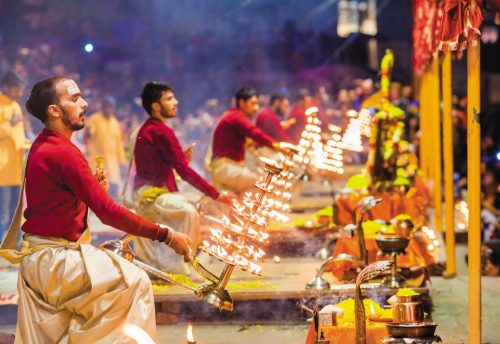
Temples, ghats, the Ganga Aarti and the old city.
Read the guide →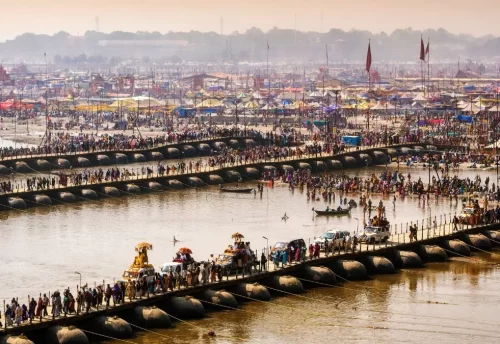
The Triveni Sangam, where the Ganga and Yamuna meet.
Read the guide →The birthplace of Lord Rama, on the Saryu, with the Ram Mandir.
Read the guide →Where the Buddha attained enlightenment, and the Mahabodhi Temple.
Read the guide →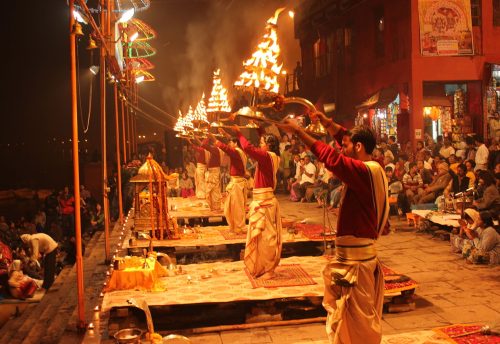
What you get
Know exactly what the package covers before you book.
Questions about what is included? We are happy to explain.
Chat with Our Team or call +91 63900 08503Connect with our team
Talk to real people in Varanasi. The WhatsApp button opens with a message ready to send — add your details and we take it from there.
Ask anything about the plan, change a stop, add the boat ride or check your dates. We reply directly on WhatsApp.
Message Us on WhatsApp Call +91 63900 08503Tap the WhatsApp button. It opens with a message ready to send — just add your dates and the number of travellers.
We share the itinerary and confirm your vehicle, hotel category and any add-ons with you.
Confirm on WhatsApp or by call. Payment details are shared once your booking is finalised.
Cancellation and refund terms are shared when you book — see our Terms & Conditions.
Before you go
October to February is the most comfortable season across these cities. July to September is the rainy season, and March to June is hot. Festival dates such as Dev Diwali are much busier in Varanasi, so message us early if you are travelling then. In Ayodhya, Ram Navami (March or April) is the most festive and the most crowded time. In Prayagraj, the Magh Mela (January or February) and the periodic Kumbh Mela draw very large crowds to the Sangam. In Bodh Gaya, Buddha Purnima (the full moon in May) is the most significant day of the year.
Modest clothing that covers shoulders and knees for the temples, comfortable shoes for steps and lanes, and a light layer for winter evenings on the river. Leave valuables at the hotel. Phones and bags are generally not allowed inside the Ram Mandir, so carry only what you need. Bring a change of clothes and a towel if you plan to bathe at the Sangam. You may be asked to remove your footwear at the monasteries, so wear shoes that are easy to take off.
The evening Ganga Aarti in Varanasi starts around dusk (roughly 5:45–7:00 PM depending on the season) — see our Ganga Aarti guide. Several temples close for part of the afternoon, so we sequence the stops around your arrival. On the road: Varanasi to Ayodhya is about 200 km (roughly 4–5 hours); Varanasi to Prayagraj is about 130 km (roughly 2.5–3 hours); Varanasi to Bodh Gaya is about 250 km (roughly 5–6 hours).
Fly into Lal Bahadur Shastri International Airport (VNS) or take a train to Varanasi Junction or Manduadih. We meet you at either and can also arrange airport transfers. Share your onward flight or train time so we can plan the last day around it.
Quick answers
Airport or railway station pick-up and drop, all sightseeing and transfers between cities in the vehicle you choose (Sedan, AC Innova or AC Tempo Traveller), hotel stays in Varanasi (two nights), and in Prayagraj, Ayodhya and Bodh Gaya (one night each), breakfast at the hotel, and fuel, tolls, parking, the driver’s fee and taxes.
Keep planning
Visitor guides to every temple and ghat on this itinerary.
Explore the guides →Travelling on Kartik Purnima? Dates, timings and how to watch.
Read the guide →A budget AC hotel in Shivala, close to Assi Ghat, run by our team.
See the hotel →Our Divya Dham route: Kashi, Prayagraj, Ayodhya and Bodh Gaya in five days.
View the package →The Golden Triangle with a night in Ayodhya, so the Ram Mandir darshan is early and unhurried.
View the package →Two days in Varanasi with Sarnath, then Bodh Gaya, at a pace that leaves time for the Mahabodhi Temple.
View the package →Message us your dates and the number of travellers. We’ll share the itinerary and shape it around you — from a team based in the city.