
Varanasi · Southern ghats · Tulsidas
Tulsi Ghat, Varanasi Tulsidas, History & Visitor Guide
Tulsi Ghat is named after the poet-saint Tulsidas, who lived here while writing the Ramcharitmanas and the Hanuman Chalisa. It is a quiet ghat close to Assi, known for the Nag Nathaiya festival in the month of Kartik.
The basics
What Is Tulsi Ghat?
Tulsi Ghat takes its name from Tulsidas, the poet-saint who composed the Ramcharitmanas, the Awadhi retelling of the Ramayana. Tradition says he lived at this ghat while writing the Ramcharitmanas and the Hanuman Chalisa. Before it was renamed, the ghat was known as Lolark Ghat, after the ancient Lolark Kund nearby.
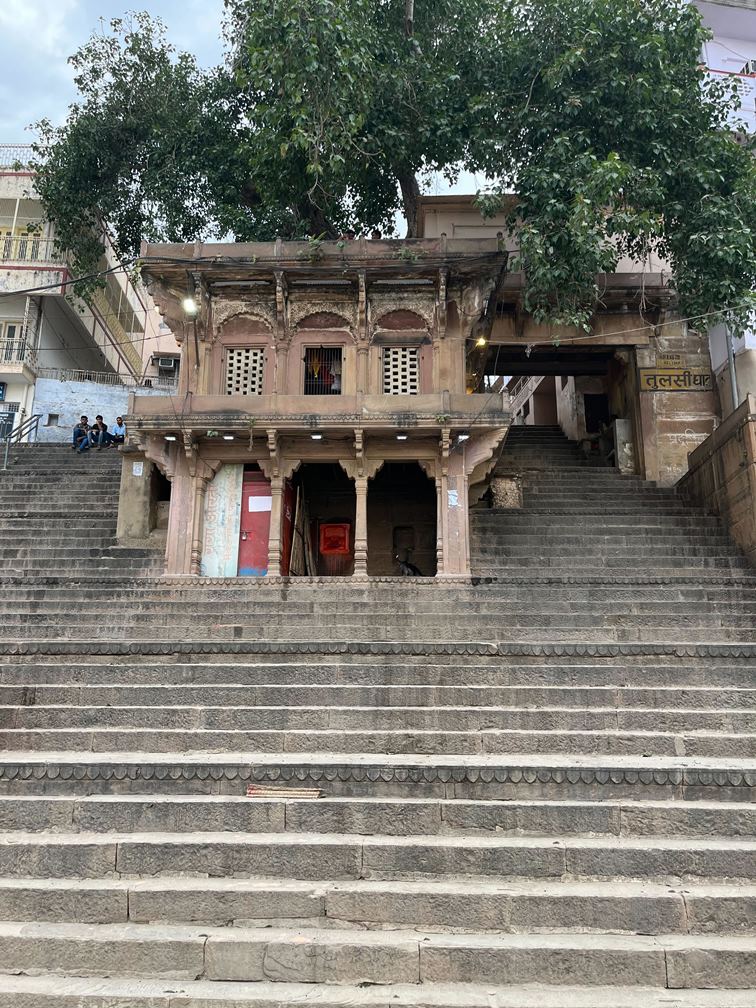
In 1941 the ghat was made pucca, built in stone, by the industrialist Baldeo Das Birla. Today it is a quiet stretch of steps in the southern part of the ghats, a good place for a sunrise walk and a stop on the ghat walk that begins at Assi Ghat.
| Location | Southern ghats, just north of Assi Ghat |
|---|---|
| Named for | Tulsidas, author of the Ramcharitmanas |
| Earlier name | Lolark Ghat |
| Made pucca (stone) | 1941, by Baldeo Das Birla |
| Lolark Kund | An ancient sacred kund nearby, linked with the Lolark Sasthi ritual |
| Festival | Nag Nathaiya, a Krishna Lila staged in Kartik (October–November) |
| Entry | Free, open to the public |
| Time to allow | 30 to 45 minutes |
The poet-saint
Tulsidas and Tulsi Ghat
Tulsidas is one of the best-loved figures in Hindu literature. He wrote the Ramcharitmanas, a retelling of the Ramayana in the Awadhi language that is still sung and recited across northern India, and he is also credited with the Hanuman Chalisa.
This ghat is where tradition places him during that work. For more Tulsidas sites in the area, see the Sankat Mochan Hanuman Temple, traditionally credited to him, and the Tulsi Manas Mandir.
Special days
Festivals at Tulsi Ghat
- Nag Nathaiya — in the month of Kartik (October–November), a Krishna Lila play is staged at the ghat, showing Krishna’s victory over the serpent Kaliya, with the river as its stage.
- Lolark Sasthi — on the sixth day of the bright half of the month of Bhadrapad, devotees bathe at Lolark Kund in a ritual associated with the birth and welfare of sons.
Festival dates follow the Hindu calendar and change every year, so check locally before you plan around them.
While you are here
What to See and Do
- Walk the steps at sunrise, when the ghat is quiet and the river is calm.
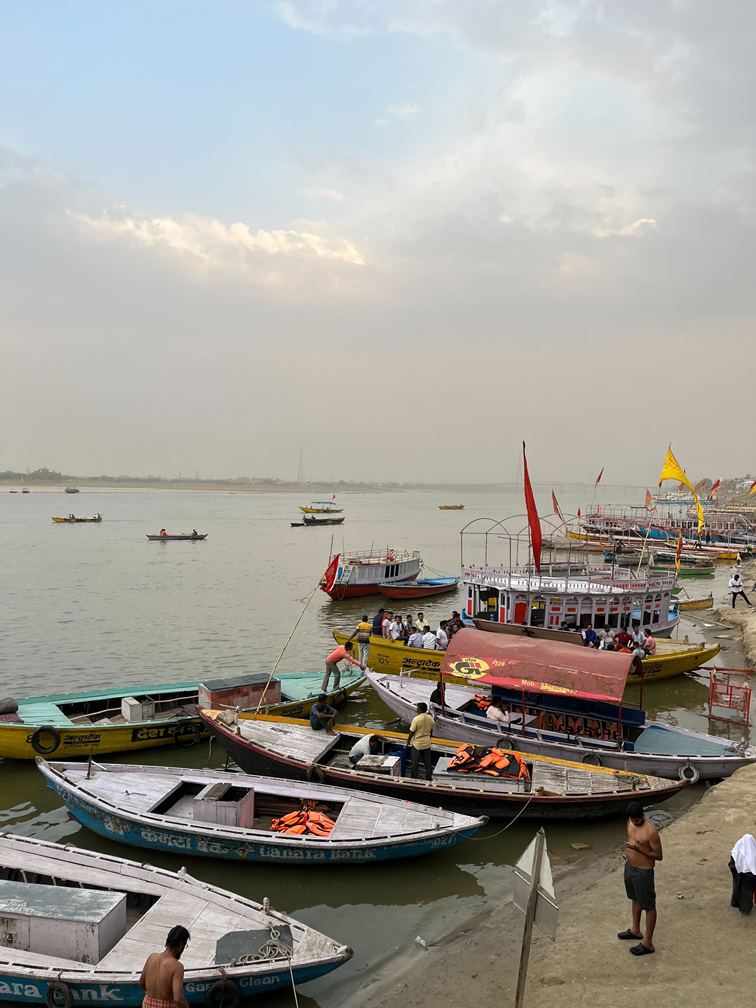
- Take a boat ride along the southern ghats — the ghat can be reached by boat. See Ganga boat rides.
- Look for Lolark Kund, an ancient sacred kund close to the ghat.
- Keep walking. Continue to Assi Ghat for Subah-e-Banaras, or north along the river.
Getting there
How to Reach Tulsi Ghat
| By | How |
|---|---|
| Location | In the southern ghats, a short walk north of Assi Ghat. |
| By road | Reach Assi and walk north along the ghats, or ask your driver for Tulsi Ghat. |
| By boat | The ghat can be reached by boat on rides along the southern ghats. |
| Stay nearby | Our budget AC hotel in Shivala is close to Assi Ghat — see Hotel Near Ghat in Varanasi. |
Local advice
Tips for Visiting
- Go early. The light is best and the steps are at their quietest in the early morning.
- Watch your footing. Steps near the water can be wet and slippery, so wear shoes with grip.
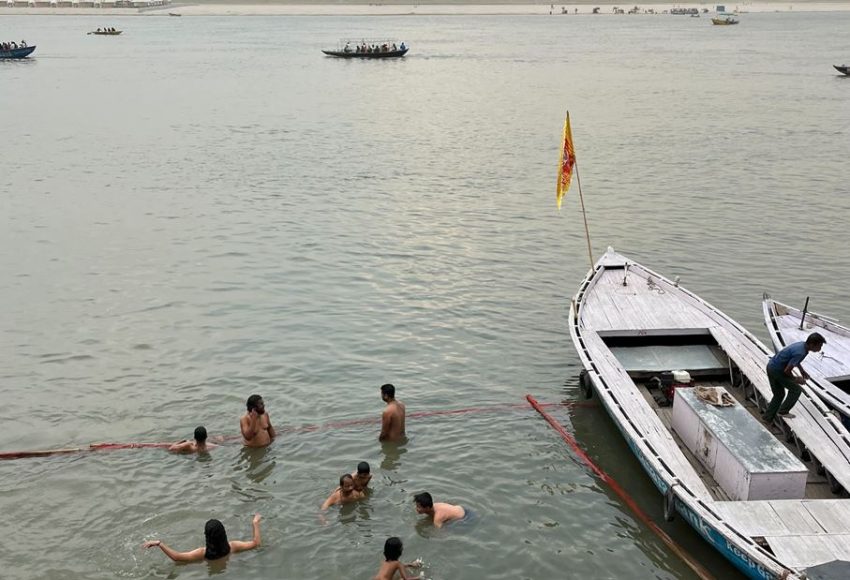
- Be respectful. Do not photograph people bathing or performing rituals without asking.
- Check festival dates if you want to see Nag Nathaiya in Kartik.
Plan a route
Places to Visit Near Tulsi Ghat
Combine these in one outing — each has its own visitor guide.
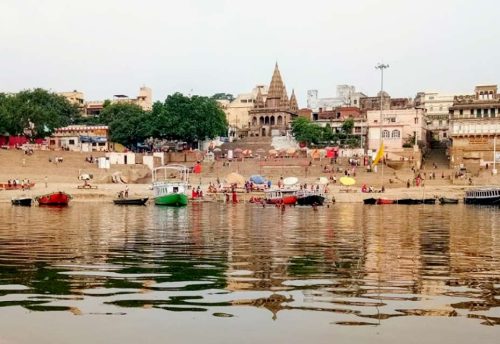
Assi Ghat
Just south along the ghats — Subah-e-Banaras and the evening aarti.
Read the guide →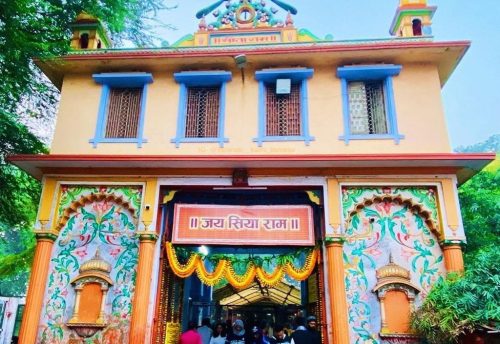
Sankat Mochan Hanuman Temple
The Hanuman temple traditionally founded by Tulsidas.
Read the guide →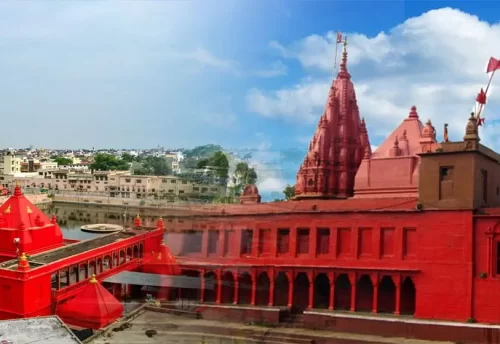
Durga Temple
The red temple beside Durga Kund, a short ride away.
Read the guide →In pictures
Tulsi Ghat: Photo Gallery
Quick answers
Tulsi Ghat: Frequently Asked Questions
It is named after the poet-saint Tulsidas, who lived at the ghat while writing the Ramcharitmanas and the Hanuman Chalisa, according to tradition.
Timings, rules and fees at temples and ghats can change with the season and on festival days. Details on this page were last checked in September 2026 — please confirm on the day, especially for aarti and darshan times.
Plan your visit
Make the Most of Your Varanasi Trip
Ganga Boat Ride
See the ghats and the aarti from the river — book a boat ride with our local team.
Learn more →Stay Near the Ghats
A budget AC hotel in Shivala, close to Assi Ghat, run by the same team.
Learn more →Dev Diwali 2026 Guide
Visiting on Kartik Purnima? Dates, timings and how to watch the ghats light up.
Learn more →Varanasi Tour Packages
Let us plan temples, ghats and aarti into one easy itinerary.
Learn more →More Places to Visit in Varanasi
Temples, ghats and the Ganga Aarti — see the full guide to places to visit in Varanasi.
Planning a Trip to Varanasi?
Message us for real local advice on timings, routes and where to stay — from a team based in the city.